


 العربية
 Kurdish
 فارسی
فارسی Русский
Nylon was first developed in the 1930s by Wallace Carothers, a chemist working for the DuPont company in the United States. It was the first synthetic fiber made entirely from petrochemicals, marking a major breakthrough in the textile industry. Nylon was initially introduced to the public in the form of toothbrush bristles and quickly gained popularity with the launch of nylon stockings in 1940. During World War II, its production was diverted to make parachutes, ropes, and military gear, showcasing its strength and versatility. After the war, nylon became a common material in clothing, household items, and industrial applications, revolutionizing modern manufacturing and fashion.
The Genesis of a Revolutionary Fiber
The story of nylon is a compelling narrative of scientific innovation, economic upheaval, and societal transformation. Its invention marked a pivotal moment in the history of materials science, fundamentally altering industries and reshaping daily life. The journey begins with the visionary research of Dr. Wallace Carothers at DuPont in the 1930s. Carothers and his team were tasked with creating a synthetic fiber that could rival the properties of silk, a material prized for its luxurious feel and exceptional strength. This quest led to the discovery of a novel class of polymers: polyamides. The meticulous work, characterized by rigorous experimentation and a deep understanding of polymer chemistry, culminated in the creation of nylon 6,6, the first commercially successful synthetic fiber.
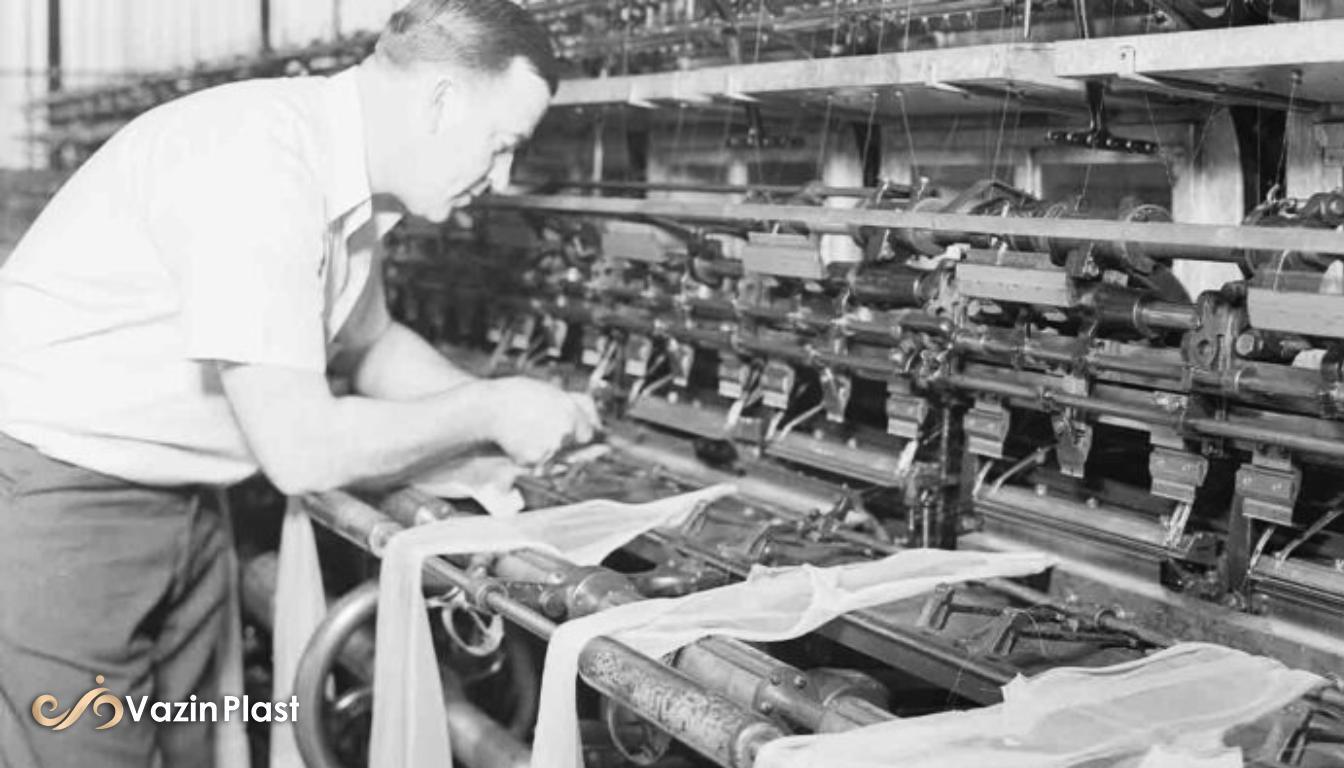
The initial unveiling of nylon was nothing short of revolutionary. Introduced at the 1939 New York World’s Fair, it captured the public’s imagination. DuPont’s promotional efforts focused on showcasing the remarkable properties of the new fiber, emphasizing its strength, durability, and resistance to wear and tear. The timing of nylon’s introduction was fortuitous; the world was on the cusp of significant change, and the demand for a superior, versatile material was growing. The early applications of nylon were strategic and reflected the material’s unique characteristics. One of the most iconic applications was in women’s stockings, a product that quickly became a symbol of the new era. The success of nylon stockings was immediate and widespread, leading to significant sales and a surge in consumer interest in the fiber.
However, the early days of nylon were not without challenges. The onset of World War II drastically changed the trajectory of the fiber. The war effort demanded materials with exceptional strength and resilience, leading to nylon being redirected from consumer goods to military applications. Nylon was used in parachutes, tires, ropes, and other essential equipment, playing a crucial role in the Allied war effort. This shift in focus created a shortage of nylon for civilian use and led to considerable public frustration. The demand for nylon stockings, which women had come to adore, far exceeded the supply. This scarcity, coupled with the fiber’s newfound importance in the war, created a fascinating dynamic. The war also spurred innovation, with advancements in nylon production and application driven by the urgent needs of the military. This era highlighted the versatility and strategic importance of nylon, solidifying its position as a transformative material.
The Impact on Society and Industry
Following the war, the return of nylon to the civilian market was met with intense anticipation and a surge in demand. The “nylon riots,” as they were infamously known, erupted in various cities as women queued for hours, sometimes days, to secure a pair of nylon stockings. This period underscored the profound impact of nylon on consumer culture and the public’s fascination with the fiber. Beyond stockings, nylon’s impact extended to a wide range of products, revolutionizing industries and altering daily life.
In the textile industry, nylon became a staple, replacing natural fibers in many applications. Its superior strength, durability, and resistance to shrinking, wrinkling, and mildew made it a preferred choice for clothing, upholstery, and other textile products. The introduction of nylon led to the development of new manufacturing processes and technologies, further increasing its versatility and broadening its applications. Nylon’s versatility allowed it to be combined with other fibers, enhancing the properties of various textiles.
The impact of nylon was also felt in the plastics industry. Nylon’s excellent mechanical properties, including high tensile strength, abrasion resistance, and chemical resistance, made it suitable for injection molding. This led to its use in a wide variety of products, including gears, bearings, and other mechanical components. Nylon’s capacity to withstand high temperatures and pressures expanded its application in automotive, aerospace, and electrical industries. Beyond its use in structural applications, nylon was also incorporated into packaging, films, and coatings. This versatility underscored nylon’s ability to adapt to the specific requirements of different applications.
The development of different types of nylon, such as nylon 6,6 and nylon 6, further expanded the fiber’s applications. Each type of nylon possessed distinct properties, making it suitable for specific needs. For example, nylon 6 is widely used in tire cords, while nylon 6,6 is used for hosiery. This diversification allowed for the creation of highly specialized nylon products tailored for diverse applications. The ongoing research into new nylon formulations and production techniques constantly refined the fiber’s performance characteristics and its potential uses. One unexpected early application was in toothbrushes, demonstrating its broad appeal and practicality in everyday objects.
Nylon in the Modern Era
The evolution of nylon hasn’t stopped with its initial introduction. Modern advancements have significantly refined the fiber’s properties and expanded its applications even further. Today, nylon is a ubiquitous material used in various industries, from fashion and textiles to engineering and manufacturing. Research continues to explore new formulations and applications, cementing nylon’s status as a versatile and adaptable material.
One of the key areas of advancement has been in the development of high-performance nylon variants. These include nylon fibers with enhanced strength, flexibility, and resistance to extreme temperatures. These advanced materials are crucial in demanding applications such as aerospace components, automotive parts, and high-performance sporting equipment. Nylon’s durability and resistance to wear make it an excellent choice for these applications. The ability to fine-tune the properties of nylon has led to the creation of specialized materials for specific needs.
Sustainable practices and environmental concerns have also influenced the development of nylon. Efforts are underway to create nylon fibers from renewable sources, such as plant-based materials. This move toward bio-based nylon helps reduce the environmental impact of nylon production. Recycling and reuse programs are becoming increasingly common to minimize waste and conserve resources. Recycling nylon can reduce the energy requirements and carbon footprint of production. These initiatives reflect a growing commitment to sustainability in the nylon industry.
Nylon’s applications continue to expand across various sectors. In the fashion industry, nylon remains a popular choice for athletic wear, swimwear, and outerwear due to its moisture-wicking properties and durability. Its versatility allows designers to create innovative and high-performance garments. In the automotive industry, nylon is used for components requiring strength, heat resistance, and lightweight properties. From engine parts to interior components, nylon plays a significant role in improving vehicle performance and fuel efficiency. In the construction industry, nylon is used in ropes, cables, and building materials due to its strength and resistance to abrasion. Nylon’s adaptability makes it a versatile material. These diverse applications demonstrate nylon’s adaptability and its importance in a wide range of modern industries.

Challenges and Future Perspectives
While nylon has enjoyed remarkable success, the material faces challenges related to its environmental impact and sustainability. The production of nylon involves the use of fossil fuels and can generate greenhouse gas emissions. Furthermore, nylon products can contribute to plastic waste pollution at the end of their life cycle. Addressing these environmental concerns is crucial for the long-term viability of nylon.
Research and development efforts are underway to address these challenges. One focus is on developing more sustainable production methods. Scientists are exploring alternative feedstocks derived from renewable sources, such as bio-based materials. These efforts aim to reduce the reliance on fossil fuels. Another area of focus is improving the recycling processes for nylon. Mechanical and chemical recycling technologies are being developed to recover and reuse nylon materials, reducing waste and conserving resources. Advancements in these technologies can extend the life cycle of nylon products and lessen their environmental footprint.
The future of nylon also depends on continued innovation and diversification. Researchers are working on enhancing the properties of nylon fibers, such as increasing their strength, flexibility, and resistance to environmental factors. These advancements can enable new applications and improve the performance of existing products. There is also a growing interest in developing specialized nylon materials for niche applications, such as medical devices, filtration systems, and advanced composites. The combination of material innovation, sustainable practices, and the development of new applications will influence the future of nylon.
The ongoing commitment to sustainability, coupled with continuous technological advances, will define the future of nylon. By mitigating environmental impacts, enhancing performance, and expanding applications, the nylon industry can ensure its position as a valuable material for generations to come. This evolution will involve collaboration between scientists, manufacturers, designers, and consumers.
Key Milestones in the History of Nylon
| Year | Event | Significance |
|---|---|---|
| 1930s | Dr. Wallace Carothers and his team at DuPont develop nylon 6,6. | The birth of a revolutionary synthetic fiber. |
| 1939 | Nylon is introduced at the New York World’s Fair. | Public introduction, showcasing nylon’s potential. |
| 1940s | Nylon is diverted for military use during World War II. | Nylon’s strategic importance and impact on wartime efforts. |
| Post-War | Nylon stockings become a cultural phenomenon, leading to “nylon riots.” | Demonstrates the fiber’s impact on consumer culture. |
| Present | Ongoing research and development of new nylon variants and sustainable practices. | Continuous improvement and adaptation for future applications. |
Frequently Asked Questions about the History of Nylon
What is nylon made from?
Nylon is a synthetic polymer, primarily made from petroleum-based products. However, research is underway to create nylon from renewable
Who invented nylon?
Nylon was developed by Dr. Wallace Carothers and his research team at DuPont in the 1930s.
What were the first uses of nylon?
The first major commercial use of nylon was in women’s stockings. It was later used for military applications during World War II.
Why was nylon so popular?
Nylon was popular because of its superior strength, durability, and resistance to wear, compared to natural fibers like silk.
How is nylon used today?
Nylon is used in a wide variety of applications, including textiles, automotive parts, engineering components, and more. It is also used in sportswear and swimwear due to its moisture-wicking properties.
What are the environmental concerns regarding nylon?
The production of nylon relies on fossil fuels and can contribute to greenhouse gas emissions. Disposing of nylon products can also contribute to plastic waste pollution.
What is being done to make nylon more sustainable?
Efforts are being made to produce nylon from renewable resources, improve recycling processes, and reduce environmental impact.
What are the different types of nylon?
There are several types of nylon, including nylon 6,6 and nylon 6, each with different properties and uses.
Where can I find out more about nylon?
Additional information can be found through material science resources, industry publications, and online databases. Also, sources such as the ones provided at the beginning of the document can provide additional information.
How has nylon changed over time?
Nylon has changed significantly through advances in material science. Scientists and engineers have developed new nylon varieties with enhanced properties. Production processes have been optimized to increase efficiency and reduce environmental impact. This evolution continues through research, development, and innovation.
Conclusion
The History of nylon is a testament to the power of scientific innovation and its capacity to transform industries and daily life. From its humble beginnings in a DuPont laboratory to its widespread use in textiles, engineering, and countless other applications, nylon has consistently proven its versatility and value. The invention of nylon 6,6 was a breakthrough that would change the world. As we have seen, the fiber was first introduced in 1939. The development of the fiber, with its robust characteristics, resulted in a new wave of advancements. The shift from consumer goods to wartime necessities during World War II showcased nylon’s strategic importance, leading to the invention of important and long-lasting objects.
The post-war era witnessed nylon’s resurgence in the civilian market. This period highlighted the profound influence of nylon on consumer culture and its role in shaping new consumer demands. The development of different nylon variants, each tailored to specific applications, showcased the adaptability of the material. Over time, the fiber has continually adapted. Nylon products now serve a wide array of purposes.
As we look to the future, the nylon story is one of adaptation and response. The focus on environmental sustainability, coupled with technological advancements, will shape the fiber’s future. The commitment to sustainable practices, including the use of renewable resources and improved recycling, will be critical. As the evolution of nylon continues, it will be the result of research, collaboration, and a willingness to adopt new technologies. The ongoing quest to create materials that meet the needs of the present while protecting the future makes the history of nylon a narrative of innovation and progress.
Also read :Benefits of buying stretch film in iran