


 العربية
 Kurdish
 فارسی
فارسی Русский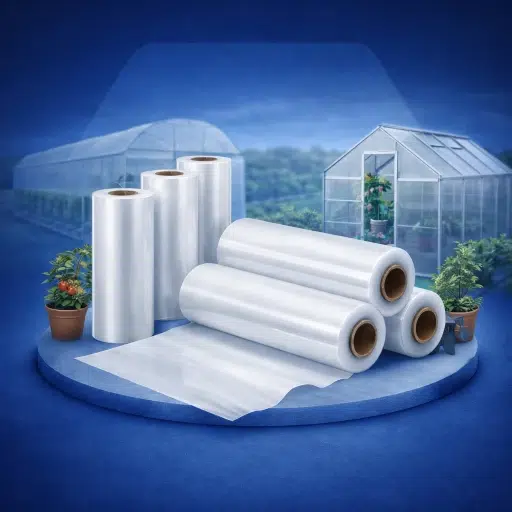
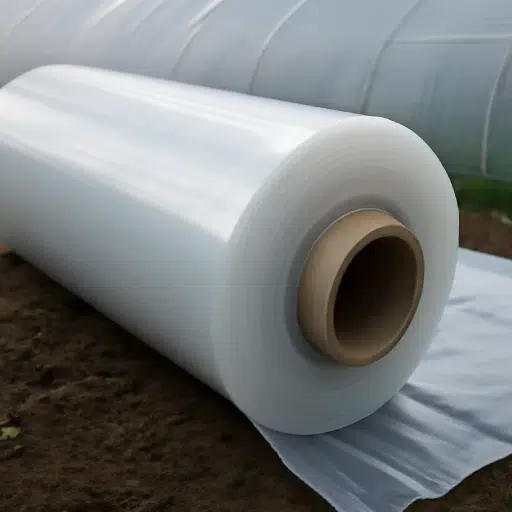
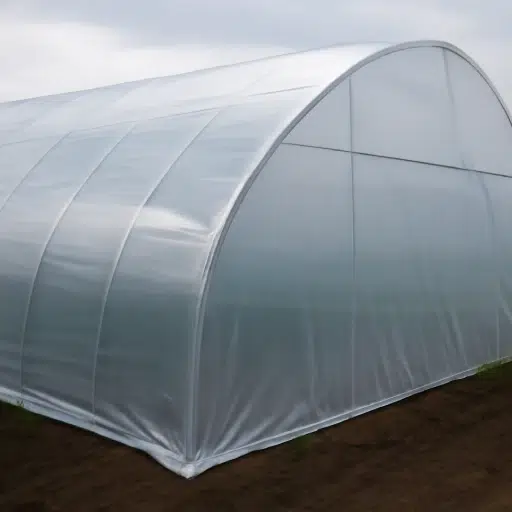
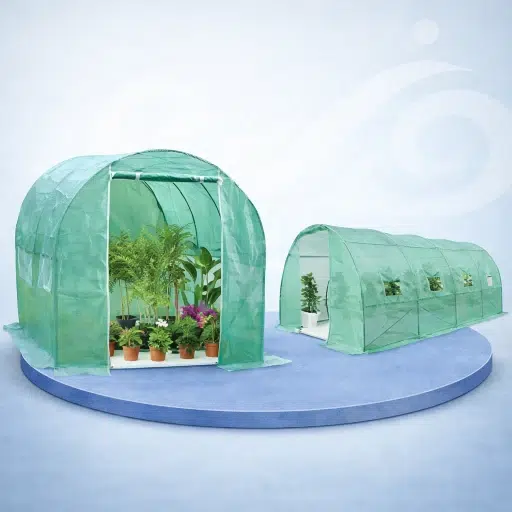
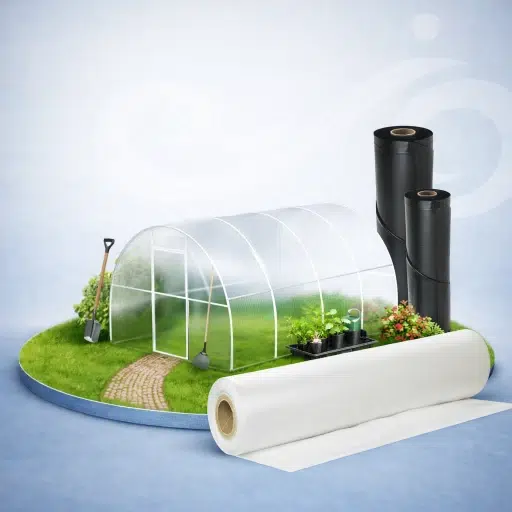
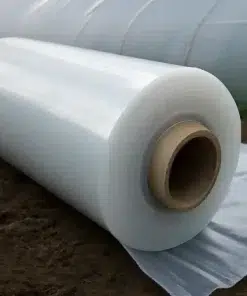
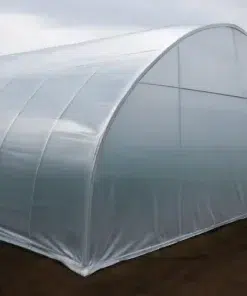
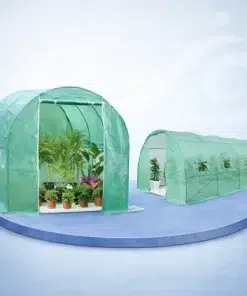
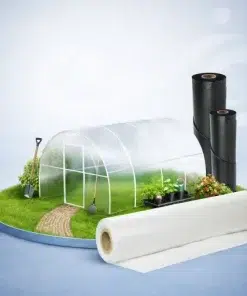
Covering the greenhouse is something that should be considered at the very beginning of the greenhouse design. One of the most common coverings that we can use to build and operate a greenhouse is nylon. If you want to get useful information about greenhouse nylon, it is better to read this content until the end so that you can learn more about this type of nylon and its uses.
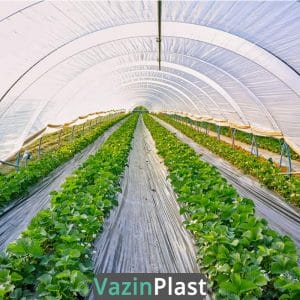
The reason for choosing nylon as a greenhouse cover
Before 1950, only glass was used as a protective cover in greenhouses. Glass greenhouses had major disadvantages, including:
- They are expensive and costly.
- They need a very strong frame for installation.
- They need a lot of fuel to keep the interior of the greenhouse warm.
- They have very little resistance against natural factors and events such as rain, snow and storm.
These disadvantages caused glass to gradually give way to plastic and nylon. Today, nylon and greenhouse plastic are considered the most suitable coverings for greenhouses, because:
- They are more economical than other greenhouse covers.
- They do not need heavy framing and can be installed on light and low-cost frames.
- The heat cost of these greenhouses is 40% lower compared to glass greenhouses.
- They are suitable for any weather conditions.
- They pass the most amount of sunlight and heat to the plant.
- They protect plants from harmful and dangerous factors such as UV rays.
- It is possible to add a variety of additives to greenhouse plastic.
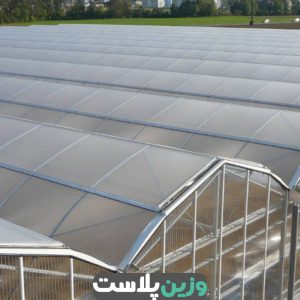
Types of greenhouse nylon
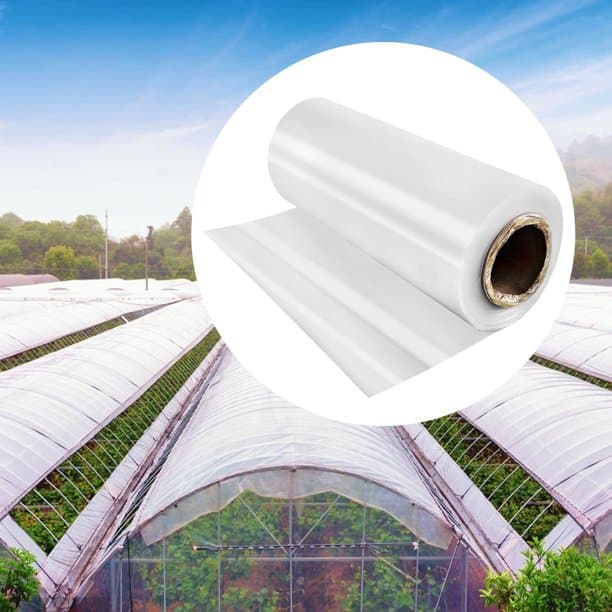
Additives used in greenhouse nylons
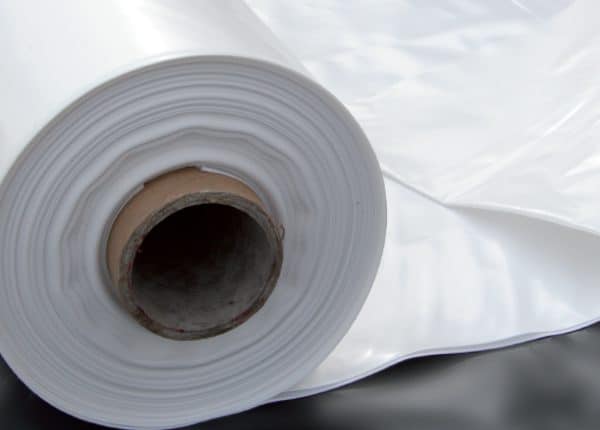
Plastic greenhouse of 12 and 14 meters
In the past, to cover the greenhouses, plastic was placed across the greenhouse one after the other. The plastic was restrained from the sides with sufficient tension, and both adjacent layers should have an overlap of about half a meter. In addition, the direction of the seams should be in the direction of the prevailing winds of the region to prevent the penetration of cold air, wind and rain. But greenhouse owners don’t need these things anymore by using 12 and 14 meter wide plastics. Other advantages of these nylons include the following:
- Uniform coverage of the greenhouse and no need for successive cuts
- Saving energy and increasing energy efficiency up to 30%
- Increasing the resistance of nylon against physical and natural damage
- Optimal use of nylon and reduction of plastic waste, thus saving money
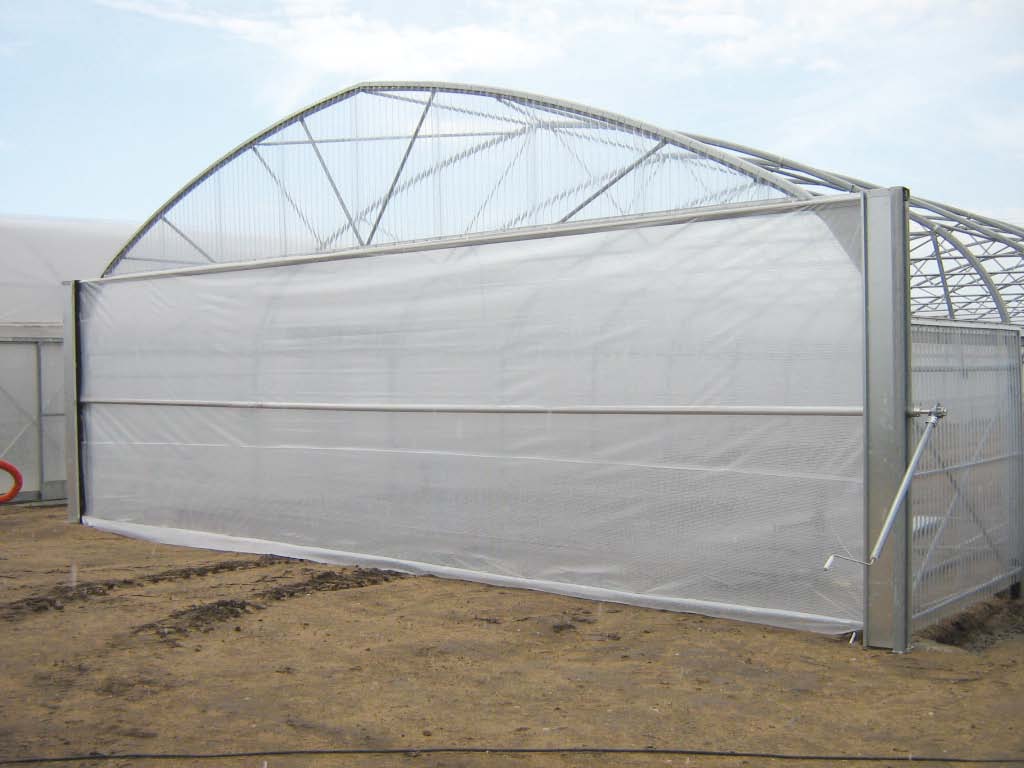
Two-layer greenhouse nylon
Greenhouse plastics are usually produced in two layers to increase resistance. Two layers of plastic, one of which is placed directly on the outer surface of the other sheet, are separated from each other by a cushion of compressed air. The outer layer of plastic must be 0.152 mm thick to reduce UV light, while the inner layer only needs to be 0.102 mm thick because UV light is less in this area. Today, practically the entire greenhouse Modern ones with plastic cover use compressed air system between two layers.
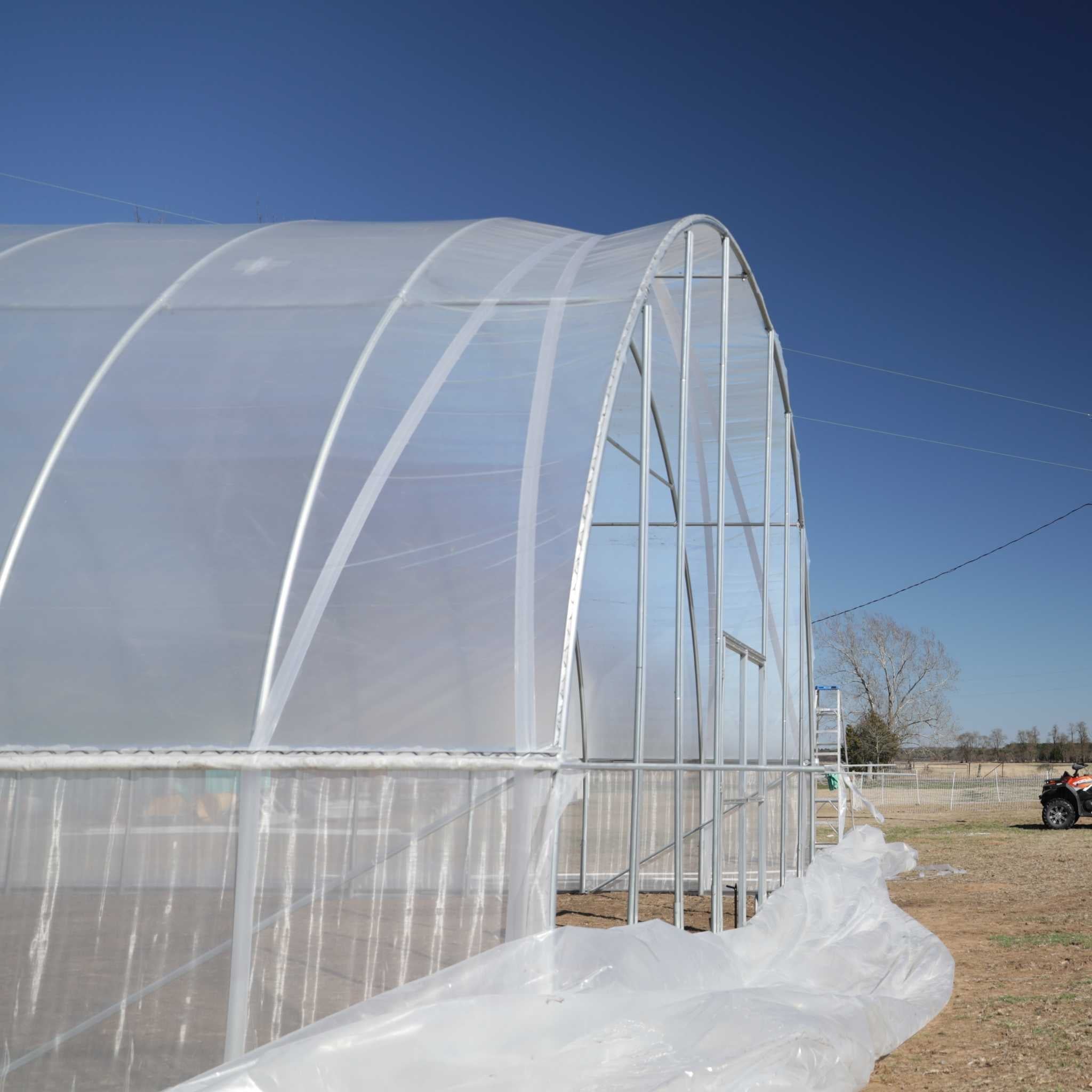
The best nylon for the greenhouse
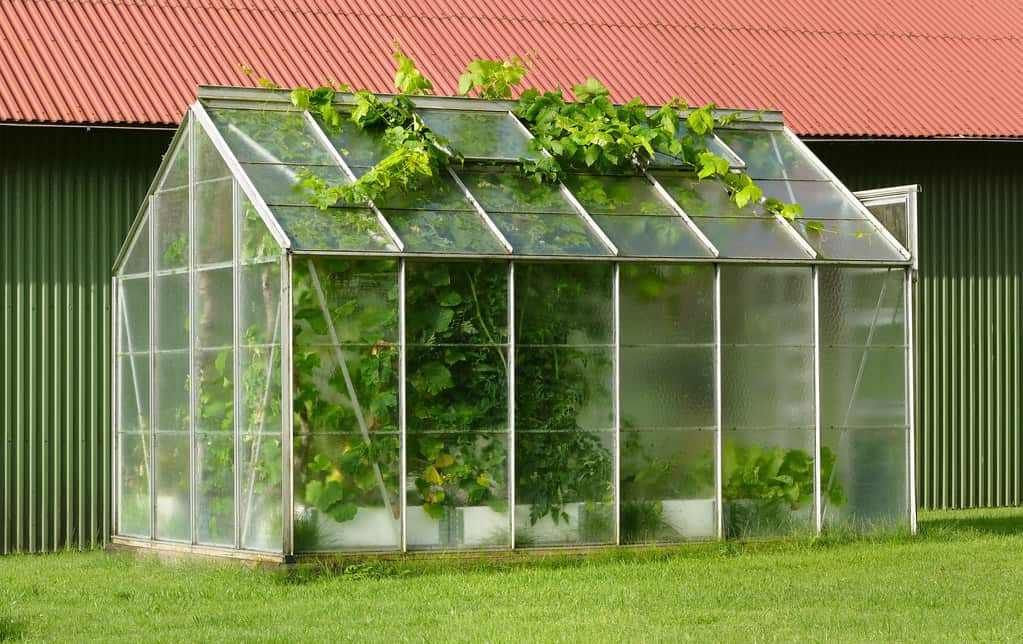
Installation of nylon greenhouse
The following video shows the steps of pulling nylon on the frame of the greenhouse.
Frequently asked questions
- What is the daily price of greenhouse nylon? The price of this product is not a specific number and it varies according to the thickness, the amount of additives, the width of the nylon and the amount of the order. You can refer to the Nylon price section for the latest prices.
- Can custom widths be produced? Yes, from 4 to 14 meters, it is possible to produce with custom width depending on the amount of customers’ orders.
- How long is the lifespan of greenhouse plastic? Typically, greenhouse nylons have a lifespan of 3 to 5 years. However, various things may increase or decrease the lifespan of the product.
- Is it possible to produce colored greenhouse nylon in your collection? Yes, there are no restrictions on the color of greenhouse nylon and you can order it in any color spectrum you want. However, we suggest you to choose a transparent nylon greenhouse to transmit maximum light to the plants.
- What is the best size for greenhouse plastic? These nylons have different sizes, each of which has a different width and length. But 14-meter covers are usually used more in large greenhouses due to a tear and fewer cuts.
- What thickness is better for greenhouse plastic? 3 and 4 mm thickness is suitable for most single-season greenhouses. But if you are looking to build a greenhouse that must withstand different seasons, 6 mm plastic will probably be a more suitable option for you.
- How many meters is each kilogram of greenhouse nylon? Almost every five meters of greenhouse plastic equals one kilogram. This means that each kilo of nylon covers about five meters of your greenhouse. Of course, the type of order and the number of layers are very influential in the final weight.
- Do the plastic covers transfer sunlight completely to the plant? None of the coatings are 100% efficient in this case, because in any case some of the light is reflected or absorbed by the coating. However, plastic greenhouse covers have a much higher efficiency in light transmission than glass covers.

There are no reviews yet.