


 العربية
 Kurdish
 فارسی
فارسی Русский
In the modern retail landscape, the ubiquitous shopping bag plays a pivotal role in the customer experience. From carrying purchases to serving as a brand identifier, these bags are indispensable. However, the production of these bags is a complex process, and at its heart lies the shopping bag machine. This article delves into the intricacies of these machines, exploring their various types, functionalities, and their crucial role in the retail industry.
What is a Shopping Bag Machine? An Overview
A shopping bag machine is a specialized industrial device designed to manufacture shopping bags from a variety of materials, most commonly paper or plastic. These machines automate the process of converting raw materials into finished bags, encompassing tasks from cutting and folding to sealing and printing. The efficiency and precision of these machines are paramount in meeting the high-volume demands of retailers worldwide. Different types of shopping bag machines cater to specific bag designs, materials, and production requirements. Understanding the capabilities of these machines is critical for businesses seeking to optimize their packaging solutions.
The basic function of a shopping bag machine involves several key steps. First, the raw material, whether paper or plastic film, is fed into the machine. Then, it is cut to the required size and shape. Next, the bag is formed through a series of folding, gluing, and sealing processes. Finally, handles may be attached, and branding or other information may be printed onto the bag’s surface. The degree of automation and the specific mechanisms employed vary significantly depending on the type of machine and the desired bag characteristics. The machinery has improved over the years to be able to work faster while using less power to work.
Types of Shopping Bag Machines
The realm of shopping bag machines is diverse, with various models designed to produce different types of bags. Understanding the distinctions between these machines is essential for selecting the appropriate equipment for a particular application. Here is an exploration of some of the most common types:
Paper Shopping Bag Machines
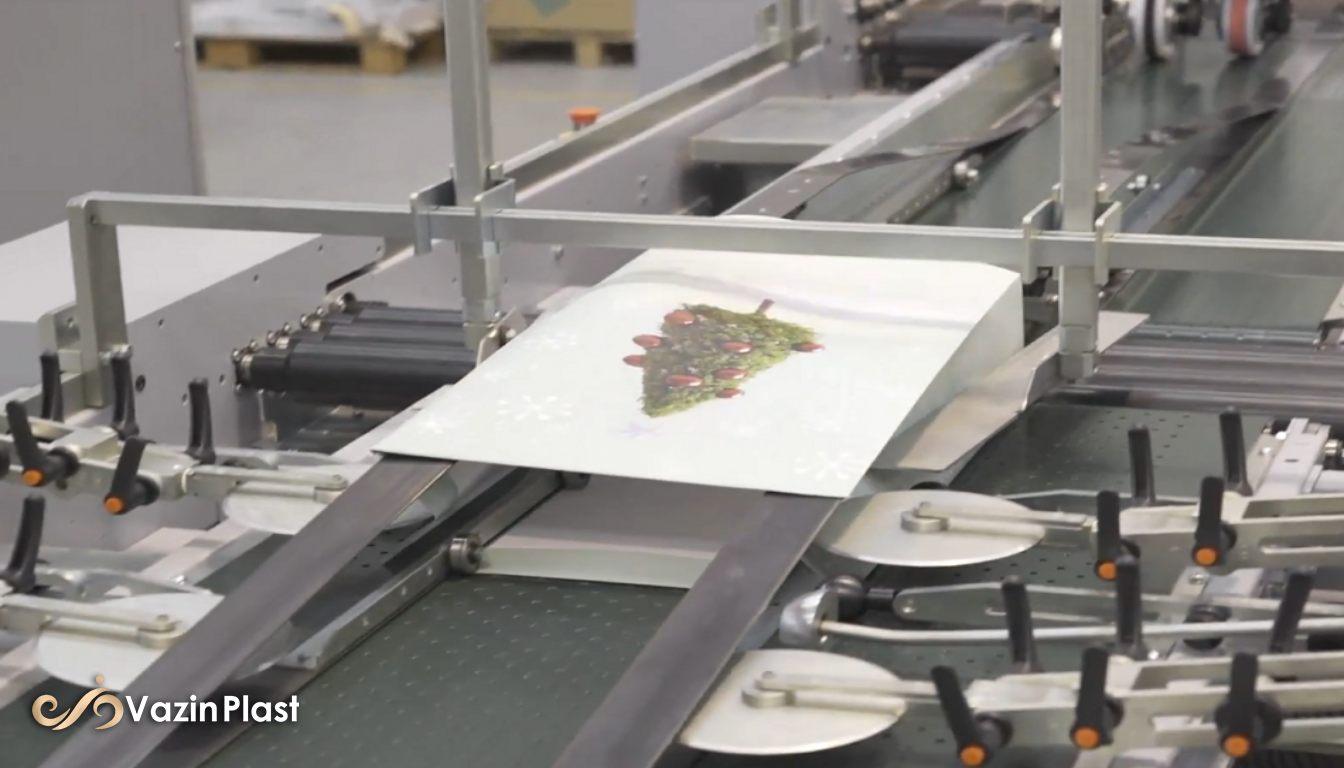
Paper shopping bag machines are primarily used for manufacturing bags from paper. They can produce various styles, including flat bags, satchel bags (with a flat bottom), and SOS bags (Self-Opening Sack bags, with a rectangular bottom). These machines typically handle paper rolls, which are cut, folded, glued, and often printed upon. The production speed and capacity of paper bag machines are considerable, allowing for high-volume manufacturing. The kind of machine needed will change based on the type of bag wanted. Some machines can also insert handles.
The selection of a paper bag machine often depends on the desired bag style, the paper weight, and the required production volume. Machines designed for flat bags are typically simpler and more cost-effective, while those that produce SOS bags are more complex, involving processes like bottom pasting and gusset formation. These more complex machines use more energy but can produce more bags.
Plastic Shopping Bag Machines
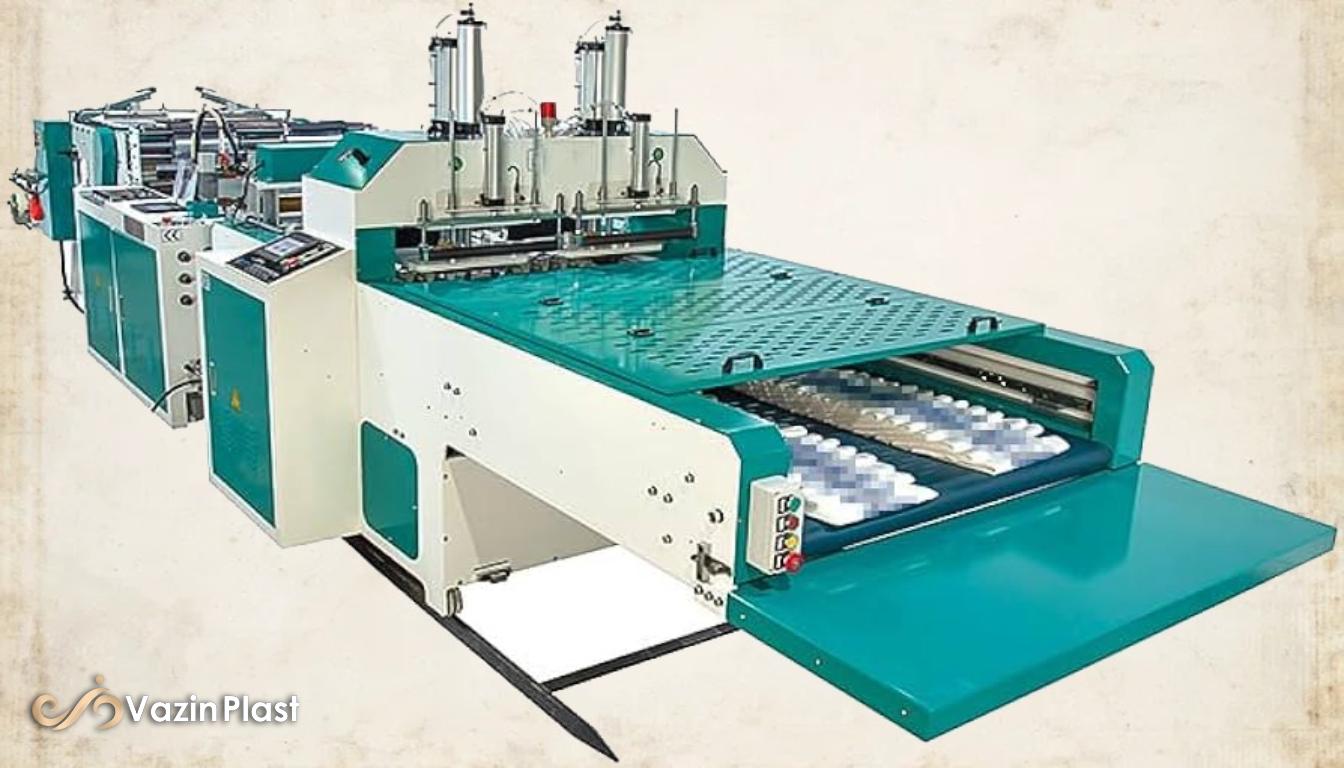
Plastic shopping bag machines specialize in the production of bags from plastic film. These machines are versatile, capable of manufacturing bags with varying features, such as die-cut handles, patch handles, or drawstring closures. They often employ heat sealing to fuse the plastic material, creating strong and durable bags. Plastic bag machines typically work with pre-printed or plain plastic film, and may include inline printing units for branding or other information. This type of machine may also require more complex maintenance than others.
The type of plastic bag machine selected often depends on the desired bag style, the thickness of the plastic film, and the production volume. For instance, machines designed for T-shirt bags (also known as grocery bags) require specific mechanisms for creating the handles and sealing the bag. Other machines are designed for bags with handles that are affixed by a separate patch of plastic. These more specific machines often cost more because of their unique design.

Specialty Shopping Bag Machines
Beyond the core categories of paper and plastic bag machines, there are specialty machines designed for specific bag types or features. These may include machines for:
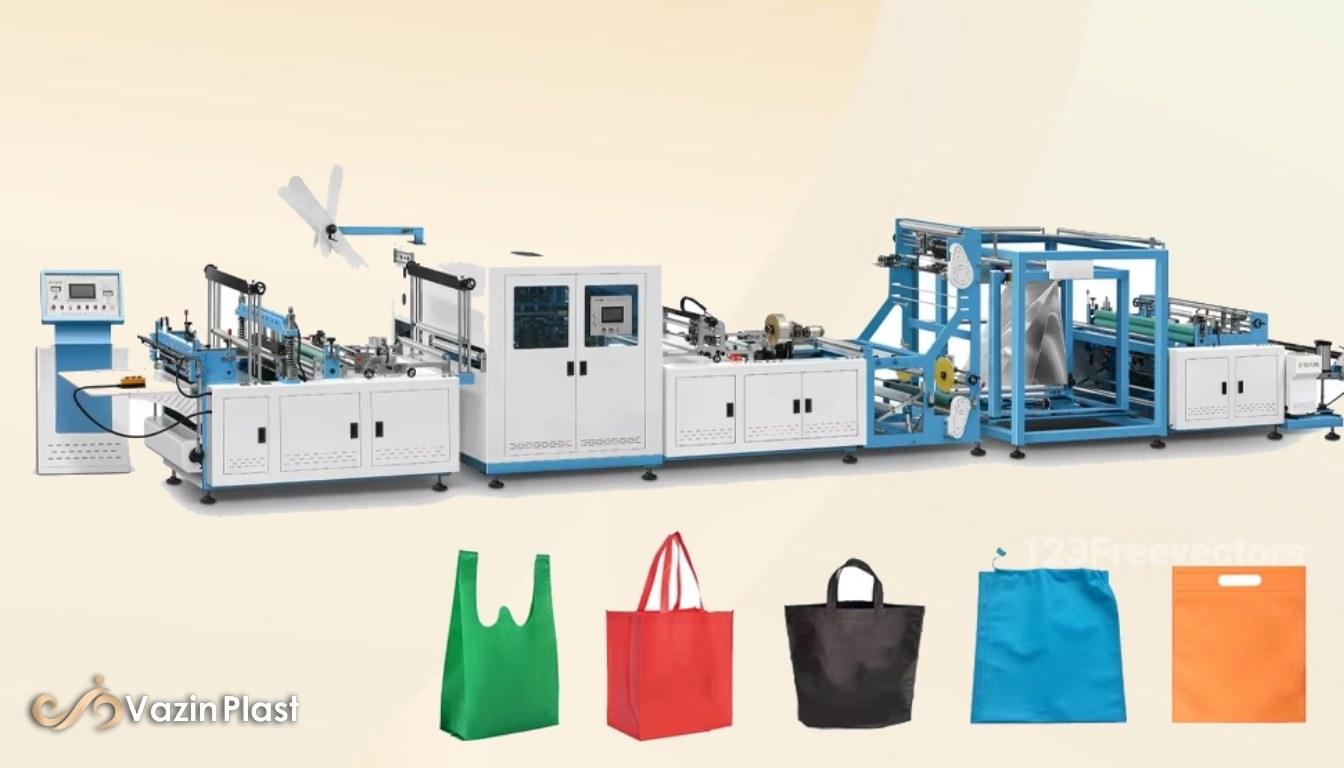
- Reusable Bag Production: Machines that can produce bags from non-woven fabrics, often used for reusable shopping bags. These machines may incorporate features like reinforced handles and durable stitching.
- High-Speed Bag Machines: Machines with extremely high production rates, ideal for large-scale retailers and distribution centers.
- Handle Attachment Machines: Machines dedicated to applying handles to bags, whether through adhesive, patching, or other methods.
- Printing Machines: While often integrated into bag-making machines, some are dedicated solely to printing on bags, allowing for intricate designs and branding.
The evolution of shopping bag machine technology is driven by factors such as the demand for sustainable packaging solutions and the increasing need for efficient, high-volume production. This means that new machines are constantly emerging.
Components and Functionality of a Shopping Bag Machine
Understanding the core components and functionality of a shopping bag machine provides insight into its operational efficiency and design. These machines are complex, and their operation is dependent on several key components working in concert:
Raw Material Handling
This involves the mechanisms for feeding the raw material (paper rolls or plastic film) into the machine. Features include:
- Roll Stands: These hold the rolls of raw material in place, ensuring smooth and continuous feeding.
- Web Guides: These mechanisms precisely align the material as it moves through the machine, preventing wrinkles or misalignments.
- Tension Control Systems: These systems maintain the correct tension on the material, which is crucial for consistent bag formation and printing.
Cutting and Forming
These are the processes that shape the raw material into the desired bag form:
- Cutting Units: These units use rotary or reciprocating blades to cut the material to the required size and shape.
- Folding Mechanisms: These mechanisms fold the material to create the bag’s sides, bottom, and top.
- Gusseting Units: These units form the gussets, which are the folded sections that allow the bag to expand and carry more volume (common in SOS bags).
Sealing and Gluing
This step secures the bag’s structure:
- Sealing Units: These units use heat sealing (for plastic bags) or adhesive (for paper bags) to bond the material and create the seams.
- Gluing Systems: These systems precisely apply glue to the necessary areas, ensuring strong and durable bag construction.
Handle Attachment (If Applicable)
For bags with handles, these systems attach the handles:
- Handle Applicators: These units apply handles of various types, such as die-cut handles, patch handles, or rope handles.
- Adhesive Systems: Adhesive is used to securely attach the handles to the bag body.
Printing (If Applicable)
Many shopping bag machines include printing units that add branding or other information to the bag:
- Printing Units: These units use various printing technologies, such as flexographic printing, to apply designs and text.
- Ink Drying Systems: These systems dry the ink quickly to prevent smudging and ensure a high-quality finish.
Control and Automation
The entire process is controlled and automated using sophisticated systems:
- PLC (Programmable Logic Controller): This is the “brain” of the machine, controlling the various processes and ensuring they operate in sync.
- HMI (Human-Machine Interface): This provides a user-friendly interface for operators to monitor the machine’s performance, make adjustments, and diagnose problems.
- Sensor Systems: These systems monitor various aspects of the operation, such as material tension, alignment, and glue application, ensuring consistent quality.
The integration of these components into a shopping bag machine enables efficient and high-volume production. The constant technological advancements in these machines improve the efficiency and the consistency of the bags.
The Role of Shopping Bag Machines in the Retail Industry
The impact of shopping bag machines on the retail industry is profound and multifaceted. From the initial production phase to the customer’s final interaction, these machines play an essential role. Here’s how:
High-Volume Production
Retailers require bags in vast quantities. Shopping bag machines are engineered to meet this demand efficiently. High production rates mean the machines can provide the necessary amount of bags in a short amount of time.
Cost-Effectiveness
Automated processes reduce labor costs and minimize material waste, which contributes to lower per-bag production costs. This economic efficiency is vital for retail businesses operating on tight margins. This also contributes to the sustainability initiatives that the machines also feature.
Customization and Branding
Modern shopping bag machines offer customization options that allow retailers to create bags that reflect their brand identity. This includes the selection of materials, bag styles, sizes, and printing capabilities for logos, slogans, and product promotions. The capability to customize bags in this way also adds to the marketing efforts of the retailer.
Sustainability Initiatives
With growing concerns about environmental impact, the demand for sustainable packaging is on the rise. Shopping bag machines are evolving to accommodate eco-friendly materials, such as recycled paper and biodegradable plastics. These advancements help retailers meet consumer expectations and contribute to a circular economy. This also helps the retailers market their brands in a positive manner.
Meeting Diverse Needs
Retailers’ needs vary significantly, from small boutiques to large supermarkets. Shopping bag machines are designed to produce a wide range of bag types and sizes to accommodate diverse product offerings. This allows the retailer to choose the bag that best represents their brand.
Supply Chain Efficiency
The efficiency of shopping bag machines ensures a steady supply of bags, which is crucial for maintaining smooth operations and preventing stockouts. This reliability supports the overall efficiency of the retail supply chain.
Choosing the Right Shopping Bag Machine
Selecting the right shopping bag machine is a crucial decision for any business involved in the retail industry. The choice should align with the company’s needs, budget, and long-term goals. Here are the key factors to consider:
Production Volume
Assess the quantity of bags needed per hour, day, or month. Machines with higher production capacities are appropriate for retailers with greater demands.
Bag Type and Design
Determine the types of bags required (paper, plastic, reusable, etc.) and the desired features (handles, printing, gussets). This helps narrow down the selection of machine types.
Material Compatibility
Consider the materials the machine can handle (paper weight, plastic film thickness, etc.). Ensure the machine is compatible with the chosen material.
Printing Requirements
Evaluate the need for printing, including the complexity of the design, the number of colors, and the required print quality. Some machines offer advanced printing capabilities, while others are more basic.
Automation and Features
Assess the level of automation needed. Higher automation typically increases efficiency but also increases the cost. Consider features like automatic web guides, tension control systems, and error detection.
Budget and ROI
Determine the available budget and evaluate the potential return on investment (ROI) of each machine option. Consider both the initial purchase price and the ongoing operating costs (energy, maintenance, etc.).
Maintenance and Support
Inquire about the machine’s maintenance requirements, the availability of spare parts, and the level of technical support offered by the manufacturer. Reliable maintenance and support are crucial for minimizing downtime and ensuring the machine’s longevity.
Sustainability
If sustainability is a priority, consider machines that support eco-friendly materials and reduce waste. Explore features like automatic waste removal systems and energy-efficient designs.
Space Requirements
Assess the available space in the production facility and ensure that the chosen machine fits comfortably. Consider the space needed for raw material storage, finished bag storage, and operator access.
By carefully considering these factors, businesses can make informed decisions and select the shopping bag machine that best meets their needs and contributes to their success.
Future Trends in Shopping Bag Machine Technology
The shopping bag machine industry is continuously evolving to meet the changing needs of the market. Several trends are shaping the future of this technology:
Sustainability and Eco-Friendliness
The demand for sustainable packaging is driving innovation in this area. Future machines are likely to incorporate features that allow them to:
- Use Recycled Materials: Adapt to a wider range of recycled paper and plastic films.
- Reduce Waste: Implement more efficient cutting and waste-removal systems.
- Use Biodegradable Materials: Specialize in the production of bags from biodegradable and compostable materials.
Automation and Smart Technology
Increasing automation will lead to:
- Improved Efficiency: Higher production speeds and reduced labor costs.
- Advanced Control Systems: Incorporating AI and machine learning for optimized performance and predictive maintenance.
- Real-time Data Analysis: Allowing operators to monitor the machine’s performance and make data-driven decisions.
Customization and Personalization
Machines will likely offer more advanced customization options, including:
- Flexible Design Capabilities: Producing bags with a wider range of shapes, sizes, and handle options.
- Advanced Printing Technologies: Incorporating technologies like digital printing for personalized branding and variable data printing.
- On-Demand Production: Allowing for shorter production runs and quicker turnaround times to meet changing customer demands.
Integration and Connectivity
Increased integration will be a key factor:
- Integration with ERP Systems: Allowing for streamlined inventory management and order processing.
- Remote Monitoring and Diagnostics: Providing manufacturers with the ability to monitor the machine’s performance and diagnose problems remotely.
- Connectivity and Data Sharing: Enabling the machines to share data and integrate with other equipment in the production line.
As the industry continues to evolve, shopping bag machines will become more efficient, sustainable, and adaptable to the changing needs of the retail sector.
Conclusion
The shopping bag machine is an essential piece of equipment in the retail industry, playing a pivotal role in producing the bags that customers use every day. From the various types of machines to the intricate components and functionalities, these machines ensure the efficient production of bags, meeting the needs of retailers and, ultimately, the consumers. The evolution of this technology is influenced by factors such as cost-effectiveness, branding capabilities, and increasing sustainability efforts, leading to continuous innovations in automation, eco-friendly materials, and customization options. As the retail industry adapts and changes, shopping bag machines will continue to evolve, contributing to the efficiency, branding, and sustainability of the businesses that depend on them. The proper selection of a shopping bag machine is critical for retailers, as it greatly impacts their production capabilities, brand image, and sustainability goals. By understanding the different types of machines, their capabilities, and the future trends shaping the industry, businesses can invest in equipment that supports their goals and delivers value for years to come.
Frequently Asked Questions about Shopping Bag Machines
What are the main materials used in shopping bag machines?
The primary materials are paper (rolls or sheets) and plastic films. Reusable bags can be made from non-woven fabrics.
What is the production speed of a shopping bag machine?
Production speeds vary significantly depending on the machine type and complexity, but can range from several hundred to thousands of bags per hour.
What kind of maintenance does a shopping bag machine require?
Regular maintenance includes cleaning, lubrication, blade sharpening (for cutting units), and checking of electrical and mechanical components. The level of maintenance varies depending on the machine’s age and complexity.
Can shopping bag machines print on the bags?
Yes, most modern shopping bag machines have integrated printing units that can print branding, logos, and other information onto the bags. Different printing technologies such as flexographic printing, are used depending on the complexity of the design and the desired print quality.
How do I choose the right shopping bag machine for my business?
Consider your production volume, the type of bag you need, the desired printing capabilities, your budget, and your commitment to sustainability. Research different machine types and manufacturers and ask about the availability of maintenance and support.
What types of handles can shopping bag machines apply?
Machines can apply various handle types, including die-cut handles, patch handles, rope handles, and drawstring closures, depending on the machine’s configuration.
What are the advantages of using a shopping bag machine?
Key advantages include high-volume production, cost-effectiveness, the ability to create custom-branded bags, enhanced sustainability, and efficient supply chain management.
?also read: What are the types of Shopping bag sizes