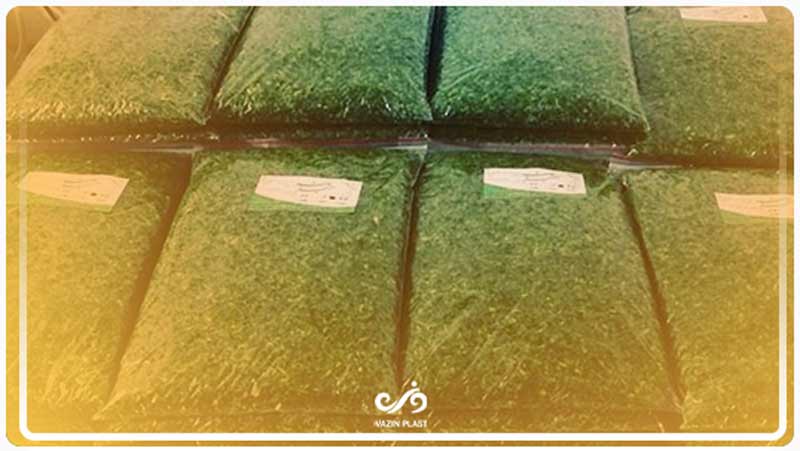
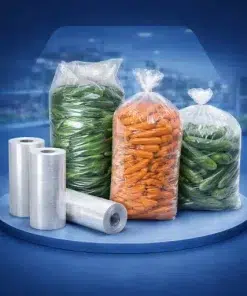
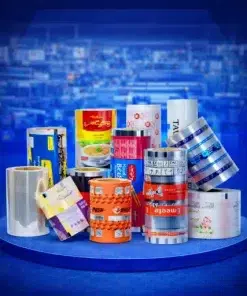
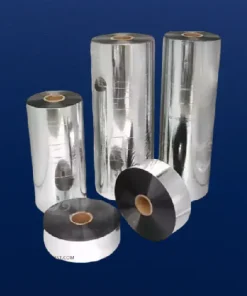
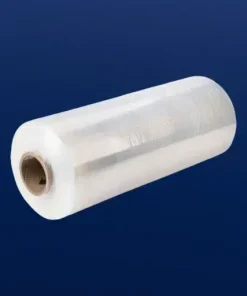
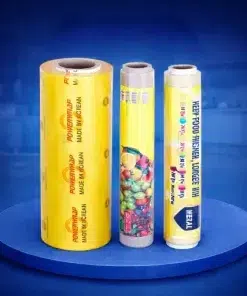
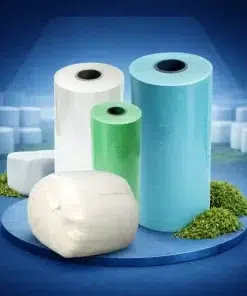
Wazinplast produces and supplies all kinds of nylon and cellophane vegetable packaging wholesale and retail with the best quality and the most suitable price in Iran.
For advice on vegetable vacuum printing, you can contact our sales experts:
In general, there are three common methods for packaging vegetables with plastic wrap:
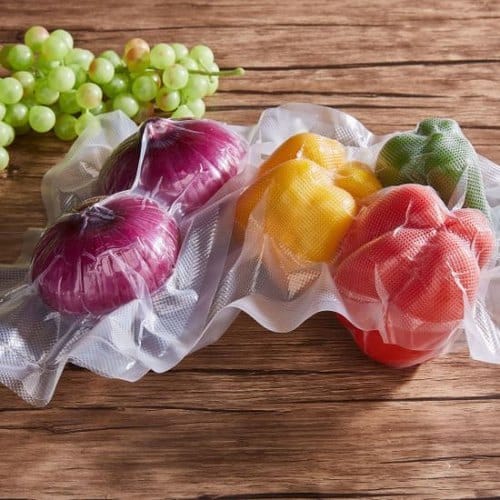
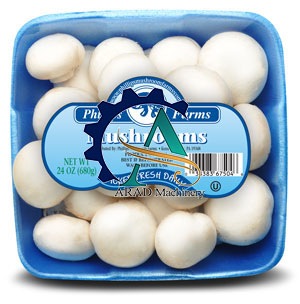
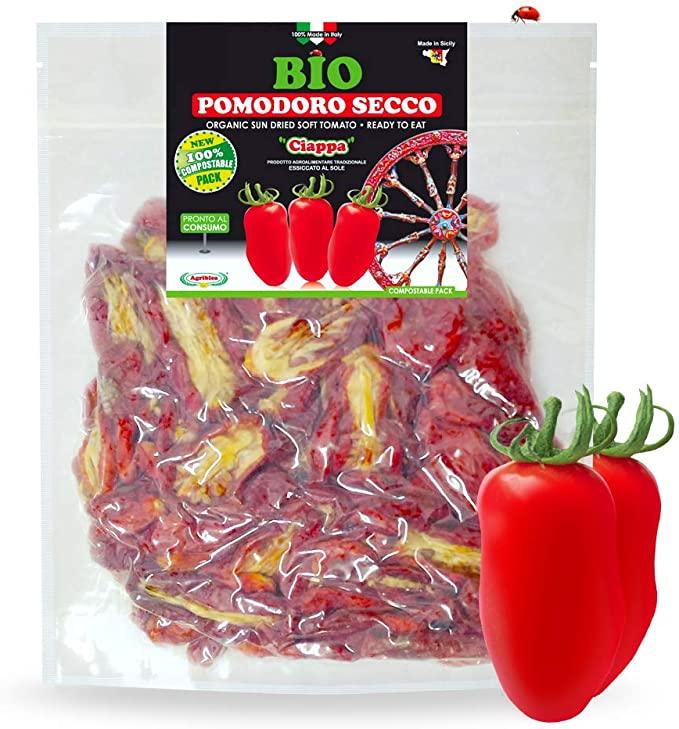
Vacuum packaging of vegetables: The vacuum packaging machine uses a special pump to evacuate the air inside the plastic bags and injects preservative gases into it, which significantly increases the shelf life of fruits and vegetables. Vacuum plastic packaging can keep vegetables fresh, prevent them from spoiling, and preserve their color, aroma, flavor, and nutritional value for a long time.
Packaging of vegetables, pillowpack or pillow (double sewing): The pillowpack packaging machine automatically produces nylon pillow-shaped bags and prints the date of production on it using a date machine. In this method, Food packaging is done at a high speed and very quickly. Sufficient resistance and strength have made this method a good method for packing all kinds of vegetables.
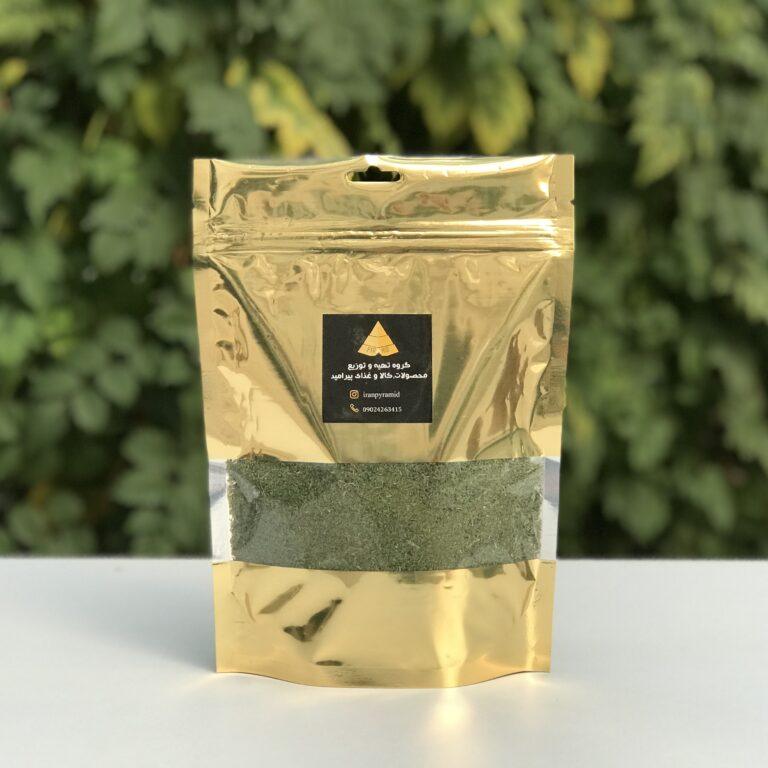
Envelope packaging: Vegetable packaging envelope are usually available in metalized and shell types in the form of cassettes. In addition to beauty, these envelopes are multi-layered and multi-purpose packaging that fully protects the product and makes it easy to transport.
Packaging of fresh vegetables
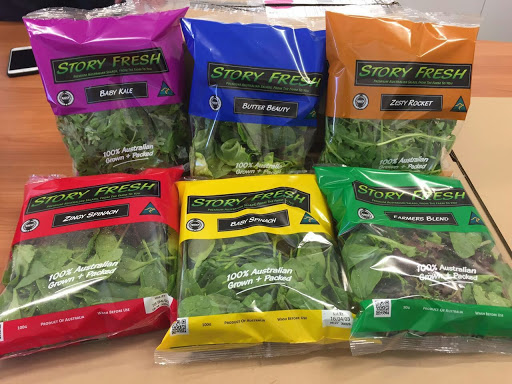
Keeping vegetables fresh can be a bit of a challenge, but often plastic wrap can make it easier. The humidity of fresh vegetables and summer herbs is high and this causes them to need special conditions for storage. It should be noted that these products do not decrease in quality and do not lose their moisture after they are arranged until they reach the consumer. For this purpose, they need a special packaging. One of the best methods of packaging vegetables to prevent water evaporation of vegetable tissues is to use nylon and cellophane bags because plastic packaging slows down evaporation.
Using stretch PVC is another way to store fresh vegetables and herbs. Stretch cellophane protects the safety of the product from the time of arrangement to transportation and reaching the consumer, increases the shelf life and preserves the quality of the product, and reduces the amount of waste.
Packaging of dried vegetables
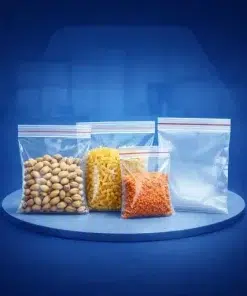
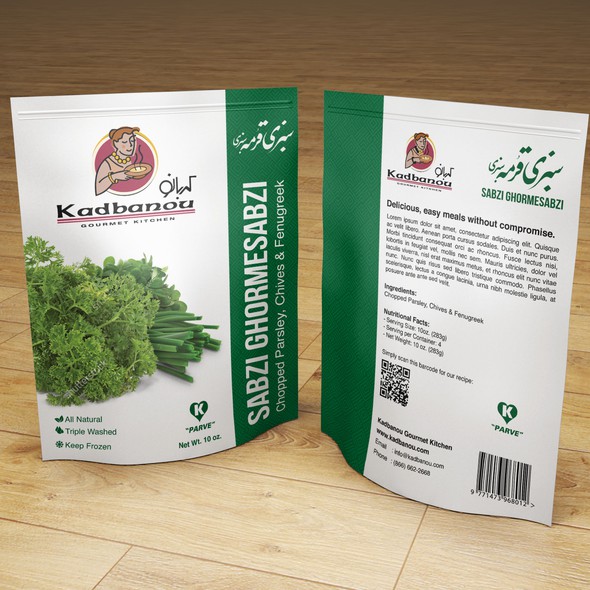
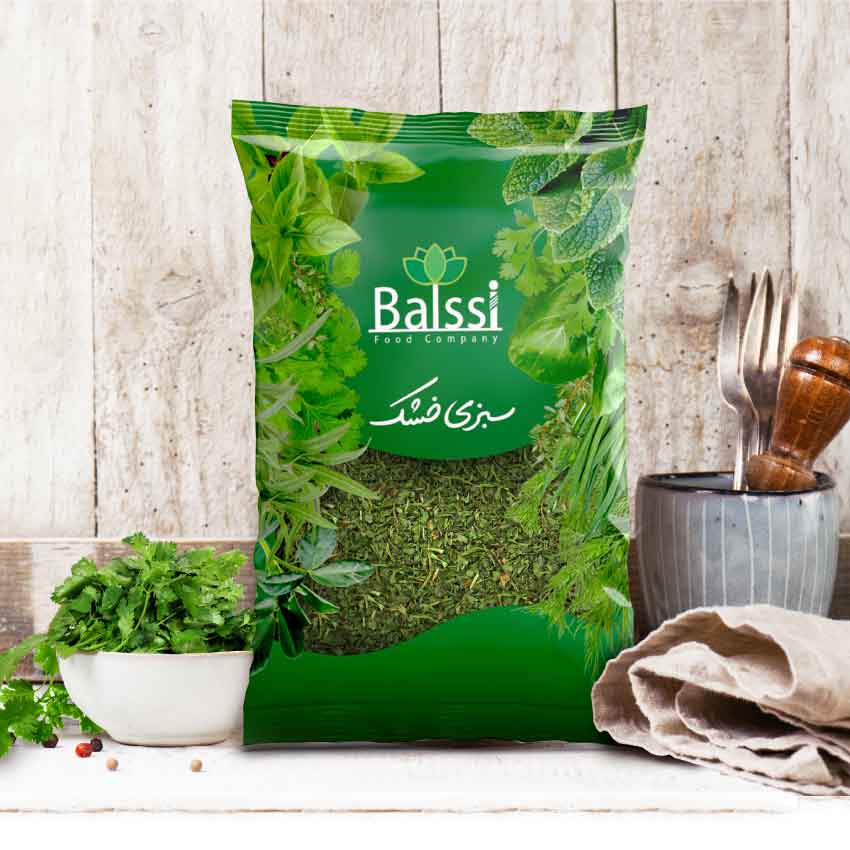
There are many ways to pack dried vegetables. The use of Zippered envelope, double-sided envelopes, and vacuum plastic bags are common methods of packing dried vegetables and herbs.Since no air enters the content of these packages, the quality of the product and its properties including smell, color and taste are completely preserved.
Fried vegetable packaging
After chopping the vegetable, it can be delivered to the customer or, upon the customer’s request, roasting and cooking can also be done on the vegetable. After roasting the vegetables, it is time to pack them. This packaging can be in different forms, such as pouring into disposable containers, pressing their opening and sticking a label with the manufacturer’s name and address. Another common method is to use a Nylon zip cap. Cheapness, ease of packaging and visibility of the product are the advantages of zip cap bags. Also, these bags are not fragile like disposable containers, and by means of them, the product can be safely delivered to the customer.
Frozen vegetable packaging
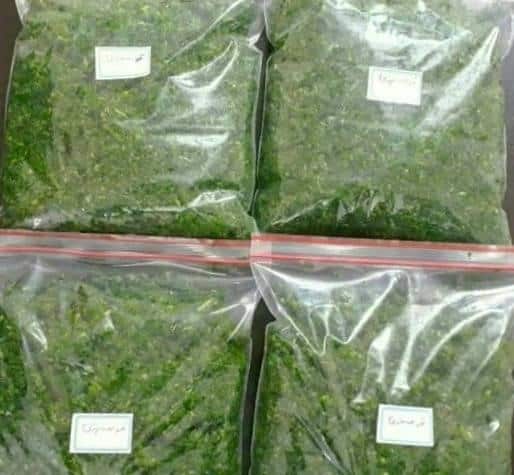
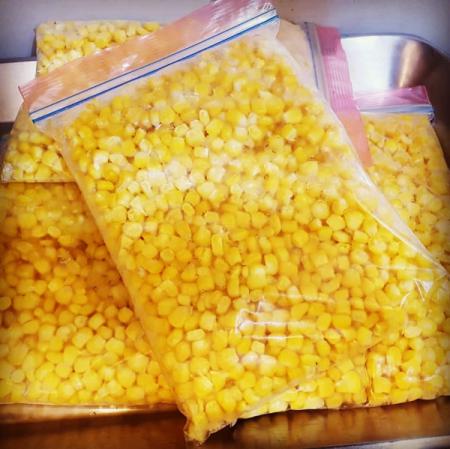
Freezer bag or zip-top bags can be used to pack frozen vegetables at home. The advantage that the zip cap has over the freezer bag is that you can take out the required amount of vegetables for each meal and keep the rest inside the zip cap for consumption in the next meals.
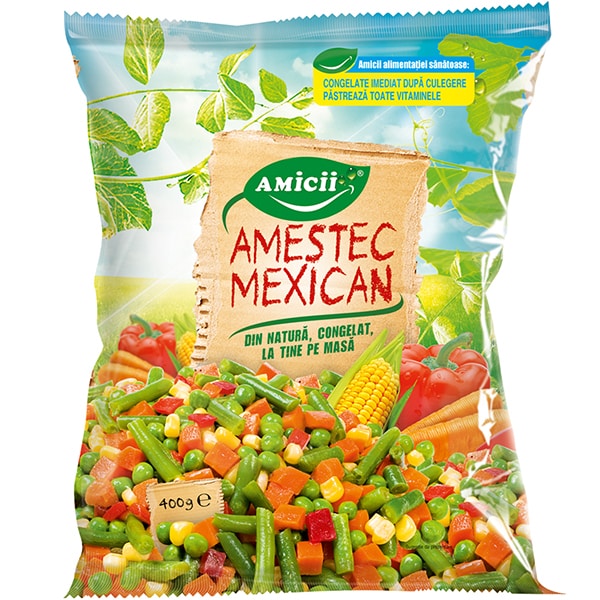
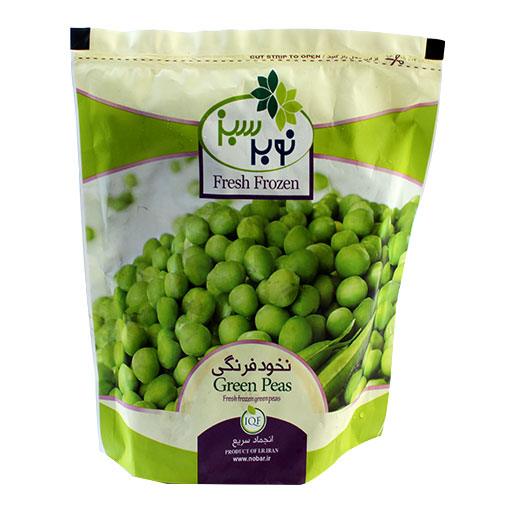
In industrial and factory packaging, Seashell cellophaneor Metallized cellophane is often used in the form of envelopes or bags. These packages are suitable for storing frozen aromatic vegetables or frozen summer vegetables, including peas, green beans, corn, etc.


 العربية
 Kurdish
 فارسی
فارسی Русский