


 العربية
 Kurdish
 فارسی
فارسی Русский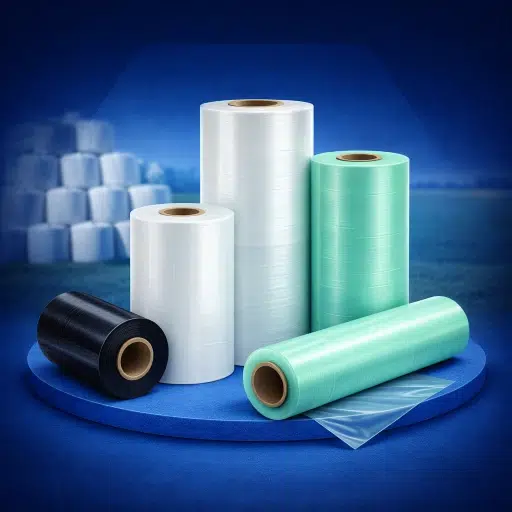
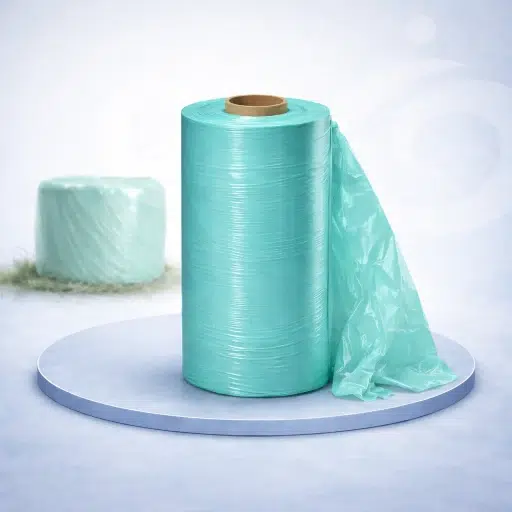
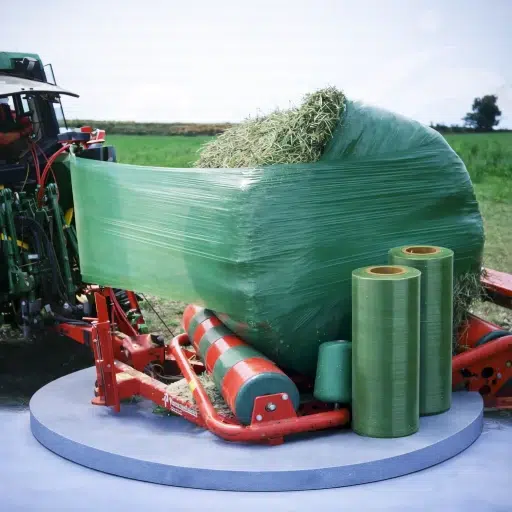

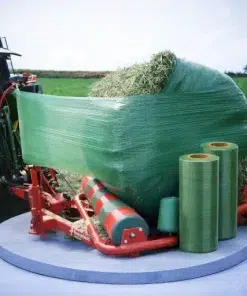
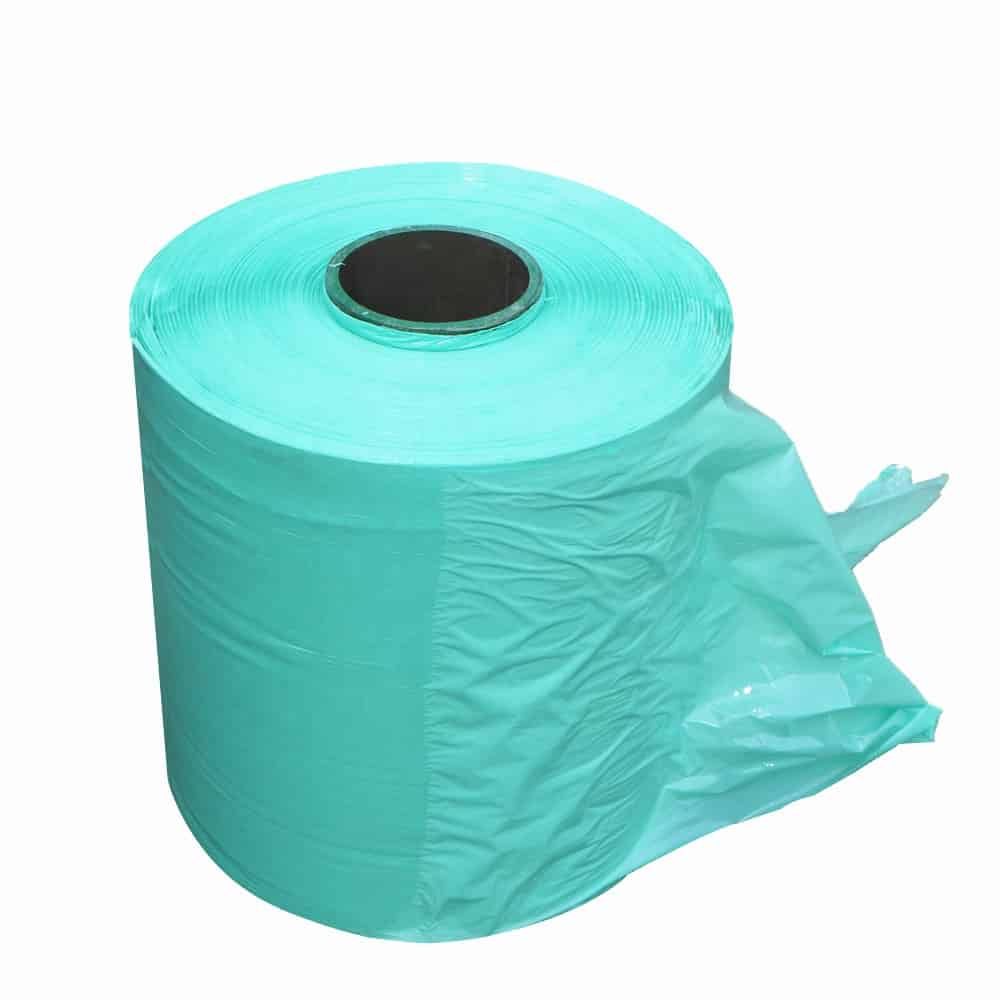
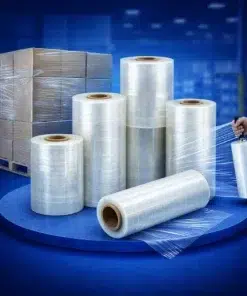
One of the constant challenges of livestock farmers in the cold seasons of the year has been providing food for livestock. In some parts of our country, due to geographical conditions, it is not possible for livestock breeders to have access to green and fresh fodder in all seasons of the year, so livestock breeders have to use other methods to prepare food for their animals. One of the most common ways to solve this problem is silage fodder in the first half of the year and use it in cold seasons. Nylon stretch silage is one of the widely used products used for packaging and ensiling livestock feed and maintaining its quality.
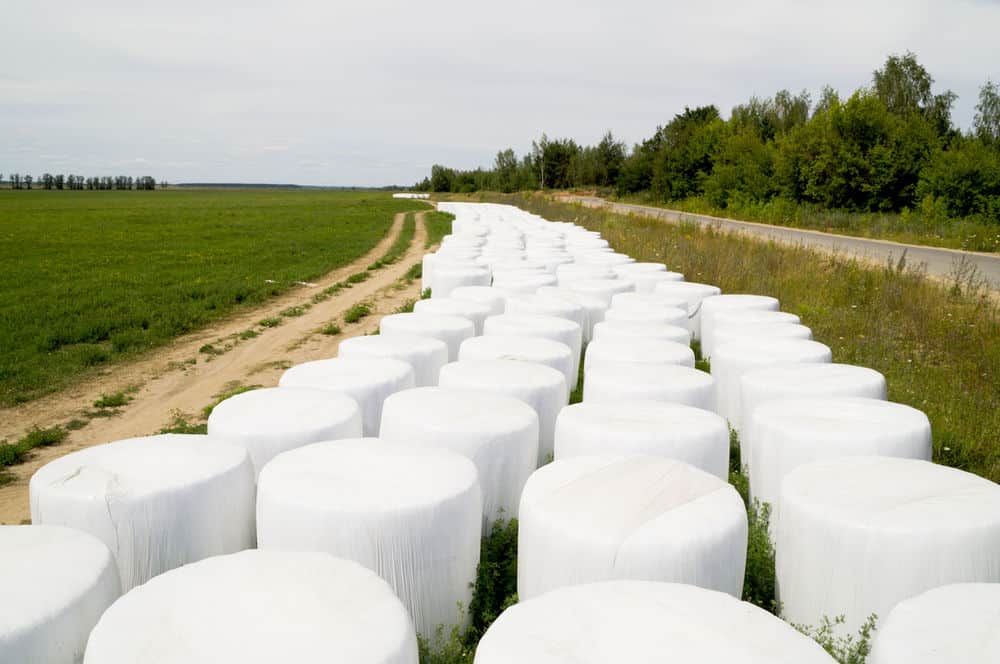
Introduction to nylon stretch silage
Silage means storing fodder. The purpose of this work is to provide livestock food in the months of the year when natural livestock feed is not available. In the past, silos were used to store fodder and feed needed by livestock, but today there are much more efficient methods for silaging fodder. Nowadays, the use of plastic silos has become common in many countries, and in Iran, many farmers and ranchers have tended to use plastic silos due to the advantages of these nylons, especially compared to bunker silos. These plastic silos are actually a type of Stretch film that is classified as Agricultural nylon and is known as stretch silage. To prepare livestock feed, fodder collected from agricultural fields should be packed or silaged with mechanized machines in stretch nylons.
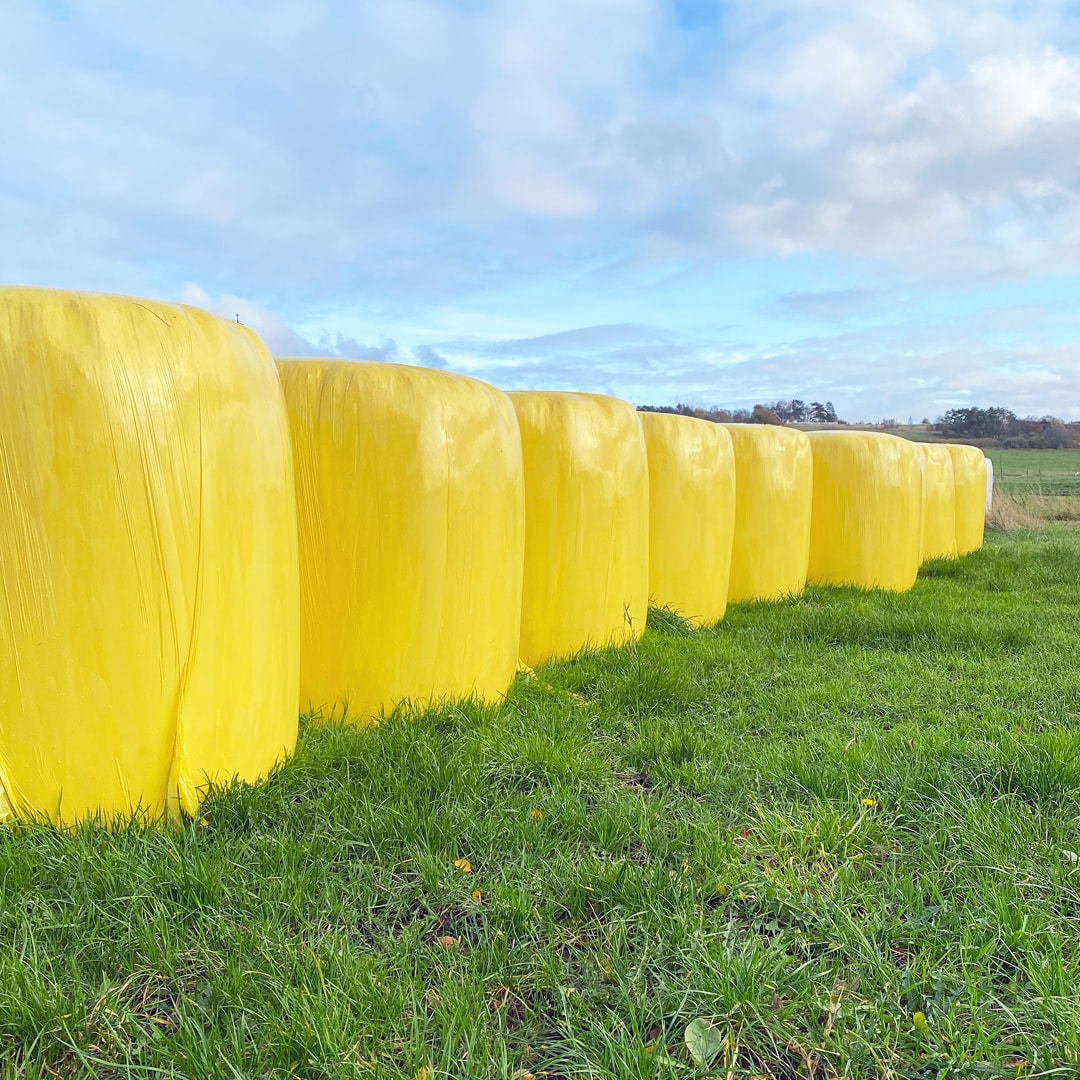
Advantages of stretch film in fodder packaging
- These nylons have an anti-UV resistant layer that prevents sunlight from passing through them and does not damage their fodder and silage.
- It prevents the penetration of harmful insects, aphids, viruses, etc. into the fodder.
- Silage operation with the help of nylon fodder packaging, the spoiling factor of air and humidity is completely eliminated.
- It preserves the nutritional value and nutrients in the fodder for a long time.
- By packing fodder with stretch nylon, the storage period of fodder can be increased up to 2 years.
- This process can be done in any climate and there is no need for a special weather.
- It prevents cold and heat exhaustion of silage fodder in extreme heat and cold.
- Nylon fodder packaging has little weight and therefore does not increase the weight of the load.
- Using plastic silage to store fodder and animal feed is a very low-cost way.
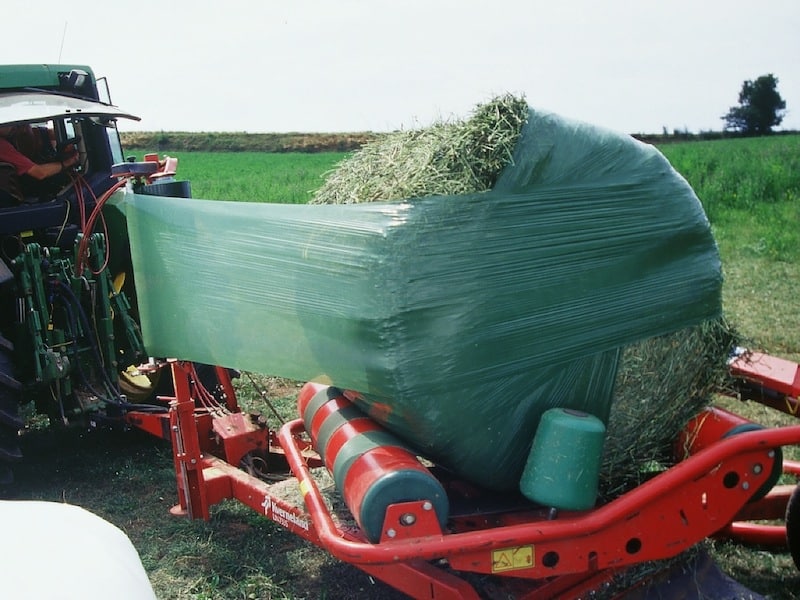
Characteristics of stretch silage forage
One of the important properties of stretch fodder is that it has high thickness and resistance, because the weight of the load that these nylons are supposed to bear is relatively heavy, and the production of these nylons must be high quality and resistant. For this reason, the fodder stretch silage film is made of heavy polyethylene or LLDPE materials, which are stacked in several layers. But since these nylons are supposed to be used for packing the waste of agricultural lands, there is no reason for the quality of the product’s raw materials to be extremely high, but it can be produced using second- and third-grade raw materials.
Frequently asked questions
- How much plastic is needed for fodder packaging? The amount of nylon stretch silage used for fodder packaging is on average 150 grams of plastic for every 30 kg, which can vary slightly depending on the thickness of the nylon.
- What kind of fodder can be silage with plastic silage? Plastic silos can be used for any plant, especially green plants. Types of alfalfa, corn stalks and leaves, beet pulp, cotton flour, wheat pulp, barley, rice and other agricultural products are products that are usually ensiled in plastic.
- Are these nylons reusable? yes Nylon stretch silage is not disposable and can be reused after each use.
- Is silage plastic resistant to sunlight? yes In these nylons, anti-UV materials or anti-harmful sun rays are used so that fodder can be stored in the open space.
There are no reviews yet.