

 العربية
 Kurdish
 فارسی
فارسی Русский
Bubble wrap comes in various sizes, and understanding these differences is key to choosing the right type for your packaging needs. The size refers mainly to the diameter of the air bubbles, which typically range from small (3/16 inch) to large (1/2 inch or more). Smaller bubbles are ideal for protecting lightweight or delicate items, offering a snug fit and preventing scratches. Larger bubbles provide better cushioning for heavier or bulkier items, absorbing more impact during shipping. Additionally, bubble wrap rolls come in different widths and lengths, allowing businesses to select the most efficient size for their packaging operations. Choosing the right bubble size helps ensure both cost-effectiveness and product safety.
Introduction: The Significance of Choosing the Right Bubble Wrap Sizes
Bubble wrap, that ubiquitous packaging material, is far more than just a source of stress relief. Its primary function is to safeguard items during transit, preventing damage from shocks, vibrations, and impacts. The effectiveness of bubble wrap, however, hinges on selecting the appropriate bubble wrap sizes for the specific items being packaged. Choosing the wrong size can lead to inadequate protection, resulting in costly damage and customer dissatisfaction. Conversely, using oversized bubble wrap can lead to unnecessary bulk and increased shipping costs.
This comprehensive guide delves into the intricacies of bubble wrap sizes, providing a thorough understanding of the factors influencing selection and application. We will explore the different bubble sizes, the types of items they best protect, and essential considerations for optimizing packaging efficiency. This information will empower you to make informed decisions, ensuring your valuable items arrive safely and securely at their destination.
Bubble Wrap Sizes: A Detailed Breakdown
Bubble wrap is not a one-size-fits-all solution. It is available in a variety of sizes, each designed to provide varying levels of protection. These sizes are generally categorized by bubble diameter and bubble height. Bubble diameter refers to the width of each individual bubble, while bubble height refers to the inflated depth. The combination of these two dimensions determines the cushioning and protective capabilities of the bubble wrap. Understanding these distinctions is critical for matching the appropriate bubble wrap to the item being protected.
Small Bubble Wrap
Small bubble wrap, often referred to as 3/16″ or 5/16″ bubble, features relatively small bubbles. This size is ideal for protecting lightweight and fragile items from minor scratches and abrasions. The small bubbles offer less cushioning than larger sizes but provide a good general level of surface protection. This makes them suitable for wrapping items like:
- Cosmetics: Protecting bottles and compacts.
- Jewelry: Safeguarding delicate pieces from scratches.
- Small electronics: Covering the surfaces of phones or tablets.
- Collectibles: Preventing minor damage to figurines or cards.
Small bubble wrap is also useful for filling voids in boxes, preventing items from shifting during transit. It is a cost-effective choice for everyday packaging needs where significant impact resistance is not required. The compact size makes it easy to manipulate and wrap around smaller items.
Medium Bubble Wrap
Medium bubble wrap, typically sized at 1/2″ bubble, is the workhorse of packaging. This size offers a good balance of cushioning and bulk, providing protection for a wide range of items. It is suitable for items that are more susceptible to damage from impact and vibration than those best suited for small bubble wrap. Medium bubble wrap offers increased cushioning because of the larger bubble size. Consider using this for:
- Household items: Protecting picture frames, glassware, and small appliances.
- Electronics: Cushioning laptops, printers, and other medium-sized devices.
- Books and documents: Preventing bending and damage during transit.
- Pottery and ceramics: Offering a robust protective layer.
Medium bubble wrap is versatile and can be used for various packaging applications. Its cushioning capabilities are well-suited for items needing moderate impact protection. This is often considered the standard size, making it readily available and an excellent choice for general use.
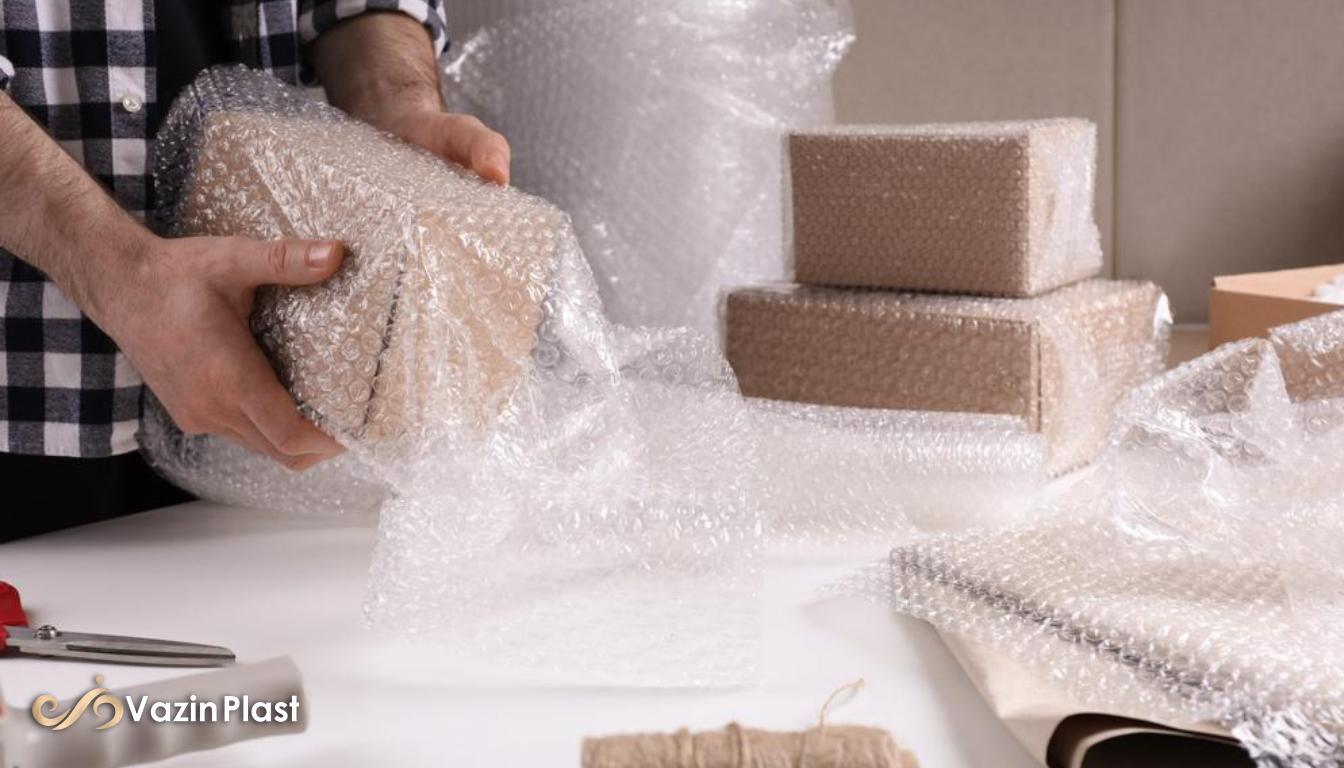
Large Bubble Wrap
Large bubble wrap, often called 1″ or larger bubble, is designed for heavy-duty protection. The large bubbles provide superior cushioning, making this size ideal for fragile and bulky items that are susceptible to significant impact. It is the preferred choice when items are shipped across longer distances or through rough handling conditions. This option will be suitable for:
- Furniture: Protecting furniture corners, edges, and surfaces from impact.
- Large electronics: Cushioning large TVs, refrigerators, and other appliances.
- Artwork: Safeguarding paintings, sculptures, and other valuable artwork.
- Heavy machinery parts: Protecting sensitive components during shipping.
Large bubble wrap adds substantial bulk to a package, so it’s essential to consider shipping costs when using it. While it offers the highest level of protection, its increased size might require larger boxes and potentially higher shipping fees. However, the added protection can be worth the investment to ensure the safe arrival of valuable or irreplaceable items.
Factors Influencing Bubble Wrap Size Selection
Choosing the right bubble wrap sizes involves considering multiple factors. A careful evaluation of these elements ensures optimal protection and minimizes potential shipping-related losses. Here are the key factors to take into account:
Item Fragility
The fragility of the item is paramount. The more fragile an item, the larger the bubble wrap size required. Delicate items like glass, ceramics, and electronics necessitate larger bubbles to absorb impacts effectively. Sturdier items can often be adequately protected with smaller bubble wrap. Assess the item’s susceptibility to damage and choose the bubble wrap size accordingly.
Item Weight
The weight of the item influences the level of support needed. Heavier items require larger bubbles to withstand the increased force of impact. The cushioning provided by larger bubbles helps distribute the weight and absorb shocks more effectively. Be sure to choose a bubble wrap size that can support the item’s weight without collapsing.
Shipping Distance and Handling
Longer shipping distances and rough handling conditions demand more robust protection. Items shipped across long distances are exposed to a higher risk of impact and vibration. Larger bubble wrap sizes provide the necessary cushioning to withstand these conditions. If you anticipate a package will be handled roughly, opt for larger bubbles and consider adding additional layers of protection.
Packaging Method
The way you package the item is crucial. The bubble wrap must be wrapped correctly to be effective. It’s essential to wrap the item securely, ensuring adequate coverage and cushioning on all sides. Consider using multiple layers of bubble wrap, especially for fragile items. Properly sealed boxes and appropriate void fill, in combination with the right size of bubble wrap, guarantee optimal protection.
Shipping Costs
While protection is critical, it’s equally important to consider shipping costs. Larger bubble wrap sizes take up more space, which increases package dimensions and can lead to higher shipping fees. Find a balance between adequate protection and cost-effectiveness. Consider the value of the item being shipped. It might be worthwhile to incur slightly higher shipping costs to ensure the safe arrival of a valuable item.

Effective Packaging Techniques Using Different Bubble Wrap Sizes
The technique used to apply bubble wrap is just as important as the size chosen. The following methods ensure your items are well-protected regardless of the chosen bubble wrap size.
Wrapping Method
The wrapping method should be tailored to the item’s shape and fragility. For delicate items, use the following steps:
- Layering: Start with one or two layers of the appropriate bubble wrap size (medium or large) to provide a base layer of protection.
- Edge and Corner Protection: Focus on protecting edges and corners, as they are most vulnerable. Wrap these areas multiple times, ensuring comprehensive coverage.
- Complete Coverage: Wrap the entire item with several layers of bubble wrap, overlapping the edges for secure closure.
- Tape Securely: Use packing tape to seal the bubble wrap securely.
For less fragile items, you can use a simpler wrapping approach, but always ensure complete coverage.
Void Fill
Even if you properly wrap an item, the open spaces within the box can lead to damage. It’s vital to fill any gaps with void fill to prevent the item from shifting during transit. Options for void fill include:
- Bubble Wrap: Use small or medium bubble wrap to fill smaller voids.
- Packing Peanuts: Ideal for filling larger voids and cushioning heavier items.
- Air Pillows: Lightweight and effective for filling gaps and protecting surfaces.
- Packing Paper: Can be used to add extra cushioning and fill smaller spaces.
Ensure that the item cannot move inside the box after you seal it.
Box Selection
The box size should correspond with the item’s size. Choose a box slightly larger than the item to provide space for cushioning and void fill. Use new, sturdy boxes in good condition to withstand shipping. Make sure the box flaps close securely, and use sufficient packing tape to seal the box completely. The box should be strong enough to handle the weight of the packaged item and any potential stacking during transit.
Additional Protection Measures
Consider these steps for enhanced protection, particularly for items that are extremely fragile or valuable:
- Double Boxing: Place the wrapped item in a smaller box, and then place that box inside a larger box with cushioning in between. This adds an extra layer of protection against impact.
- Fragile Labels: Clearly label the package as “Fragile” to alert handlers to the contents’ delicate nature.
- Insurance: Purchase shipping insurance for high-value items to provide financial protection against damage or loss.
Table: Bubble Wrap Size Comparison Chart
This table summarizes the key characteristics of different bubble wrap sizes to help you quickly determine the best option for your needs:
| Bubble Wrap Size | Bubble Diameter | Typical Use | Best Suited For | Pros | Cons |
|---|---|---|---|---|---|
| Small | 3/16″ – 5/16″ | Surface protection, scratch resistance, void fill | Lightweight and less fragile items, cosmetics, jewelry, small electronics | Cost-effective, easy to manipulate | Less cushioning than larger sizes |
| Medium | 1/2″ | General protection, impact absorption | Household items, electronics, books, pottery | Versatile, good balance of protection and cost | May not be sufficient for very fragile or heavy items |
| Large | 1″ or larger | Heavy-duty protection, impact resistance | Furniture, large electronics, artwork, heavy machinery parts | Superior cushioning, ideal for fragile items | Adds bulk, higher shipping costs |
Frequently Asked Questions about Bubble Wrap Sizes

What is the difference between small, medium, and large bubble wrap?
The main difference lies in the size of the bubbles, which impacts the cushioning and protection levels. Small bubble wrap has small bubbles, suitable for surface protection. Medium bubble wrap offers a balance between protection and bulk. Large bubble wrap provides the most cushioning for fragile items and is ideal for heavy-duty packaging.
How do I know what size bubble wrap to use?
The choice depends on the fragility of the item, its weight, the shipping distance, and the handling conditions. Generally, the more fragile and heavier an item, the larger the bubble wrap you should use. Consider also the potential for rough handling during transit and the space needed to fill voids in your box.
Can I reuse bubble wrap?
Yes, bubble wrap can be reused, especially if it is in good condition after the first use. However, the cushioning properties may be reduced slightly with each reuse. Always inspect the bubble wrap for any damage or loss of air pockets before using it again.
Is bubble wrap recyclable?
Bubble wrap is often made from low-density polyethylene (LDPE), which can be recycled, although it is not always easily done. Check with your local recycling program to see if they accept bubble wrap. You may need to take it to a specialized recycling center.
How much bubble wrap do I need for a package?
The amount of bubble wrap depends on the item’s size, fragility, and the amount of void fill needed. It’s generally recommended to wrap the item with multiple layers, paying special attention to edges and corners. Then, make sure there is adequate bubble wrap or other void filler to prevent the item from shifting inside the shipping box. The goal is to fully protect the item.
How do I measure bubble wrap?
Bubble wrap is generally measured by its width and length, which are often displayed on the roll. To find the appropriate size, consider the item’s dimensions and add extra length for overlapping and securing the wrapping around the object. To measure the amount you’ll need, consider the item’s dimensions and the desired number of layers.
Conclusion: Ensuring Safe and Secure Shipping with the Right Bubble Wrap Sizes
Choosing the right bubble wrap sizes is a critical element of successful packaging and shipping. Understanding the differences between small, medium, and large bubble wrap and the factors that influence selection enables you to optimize protection, minimize damage, and reduce unnecessary costs. By carefully considering item fragility, weight, shipping conditions, and packaging techniques, you can provide the appropriate level of cushioning to safeguard your items during transit. Remember to follow the best practices discussed, including wrapping techniques, void fill, and box selection, to guarantee a secure and professional packaging solution.
Investing the time and effort to select the correct bubble wrap sizes is a worthwhile endeavor. It is an investment in customer satisfaction, reduced costs associated with damaged goods, and an enhanced reputation for reliability. Ultimately, the safe arrival of your items is a testament to your attention to detail, ensuring your customers receive their purchases in perfect condition. By using this guide as your reference, you can navigate the world of bubble wrap sizes with confidence, providing optimal protection and ensuring a positive shipping experience for all.
also read: Everything about the Bubble wrap machine