


 العربية
 Kurdish
 فارسی
فارسی Русский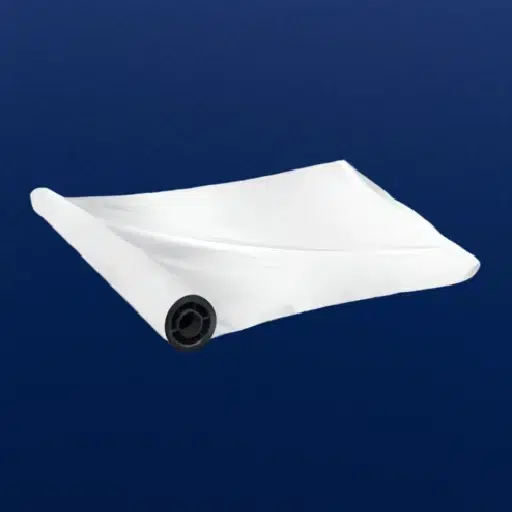
One of the low-cost ways to separate space in office, commercial and industrial environments is to use nylon to separate space. Stay with us in the rest of this article to get to know this product.
What is space separation nylon?
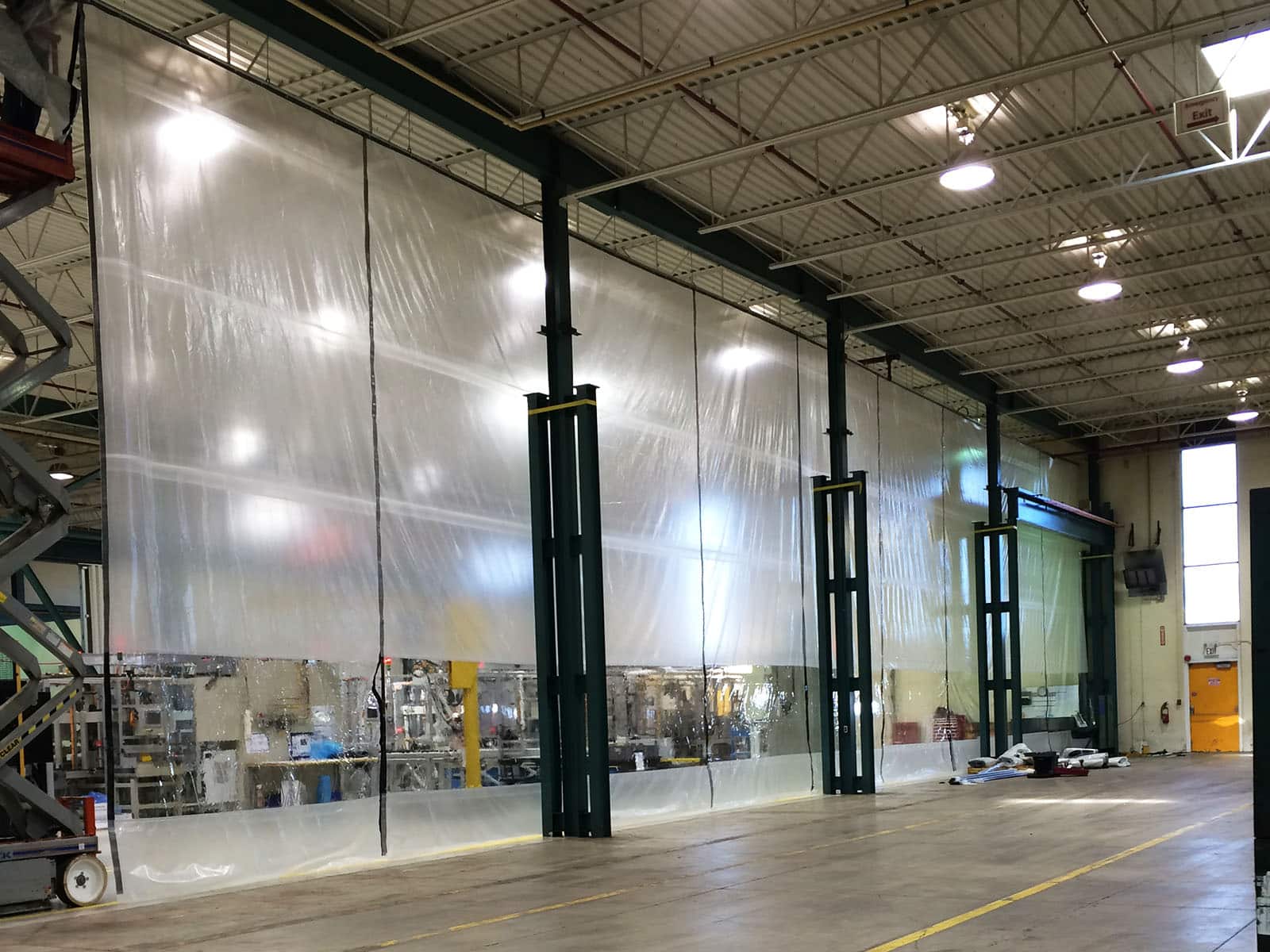
Space separation nylon is one of the wide nylons, which has high strength and good thickness. In fact, this type of nylon is the same Thick nylon and the same Wide nylon, which is used to separate and partition the interior space of sheds, factories, workshops and office halls.
In some cases, the need to separate the space has forced the owner to use building materials and separate or rather divide the existing space, which requires a lot of time and money. But by buying space separation nylon, it is easy to separate the available space to perform various tasks, and there will be no need to use construction materials anymore.
Advantages of nylon space separation
- Using nylon to separate and divide the space will bring many advantages. One of these advantages is cost reduction. A lot of money must be spent to separate the space using building materials, but by choosing nylon, these costs can be greatly reduced and a lot of savings can be made.
- Nylon is very suitable for heat, cold and moisture insulation and can reduce energy waste by 40%.
- Another very good feature of this product is its quick and easy installation, which can save the cost and time of the structure builders among similar products. Nylon installation is much faster than using traditional materials due to its lightness.
Space separation nylon applications
The use of nylon for space separation, as the name suggests, is in the separation and separation of the interior space of a place. The most common use of this type of nylon is in these spaces:
- Factories and workshops
- Office halls such as counter offices
- Animal husbandry, chicken farms and mushroom breeding halls
- Types of fixed and mobile cold storages
- Fixed and mobile sheds
- Warehouse and silo
- Sheds and industrial buildings
- Shipping containers
- Operating rooms and laboratories

Frequently asked questions
- What is the application of nylon space separation? This type of nylon is used in different places to separate space instead of building materials.
- Why should you use nylon space separation? Low cost, energy saving, and easy installation and implementation are among the reasons for using nylon instead of building materials in space separation.
- In what widths is this nylon available? These nylons can usually be ordered with a size of ten to eighty centimeters according to the needs and orders of the customer.
- What is the thickness of these nylons? These nylons are thicker than normal nylons and their thickness varies between 30 and 300 microns depending on your needs. They are also diverse in the number of layers and are available in single-layer to five-layer varieties.



There are no reviews yet.