


 العربية
 Kurdish
 فارسی
فارسی Русский
Cellophane
Cellophane

Cellophane
Cellophane

Cellophane
Cellophane
Cellophane
Cellophane
Cellophane

Cellophane
Cellophane
Cellophane
Cellophane
Cellophane
Cellophane
Cellophane

Cellophane
Cellophane

Cellophane
Cellophane
Cellophane
Cellophane
Cellophane

Cellophane
?What Is Cellophane and How Is It Made
Cellophane is a thin, transparent film made primarily from cellulose, a natural compound derived from wood pulp or cotton. Unlike many synthetic plastic wraps, cellophane is biodegradable and compostable, making it an eco-friendly alternative for food packaging and gift wrapping. First developed in the early 20th century, cellophane gained popularity due to its clarity, flexibility, and moisture resistance.
The manufacturing process begins by dissolving cellulose in alkali and carbon disulfide to produce a viscous solution known as viscose. This solution is then extruded through a narrow slit into an acid bath, where it solidifies into a film. After additional treatments like softening, drying, and coating (often with nitrocellulose or PVDC for improved barrier properties), the final cellophane wrap is ready for use.
Because it is derived from natural materials and breaks down over time, cellophane film is widely used in industries seeking sustainable packaging solutions. It is especially popular for wrapping candies, baked goods, and gifts, offering both visual appeal and environmental responsibility.
key Properties and Benefits of Cellophane Wrapping
Cellophane wrapping is widely appreciated for its unique combination of functional and environmental advantages. One of its most notable properties is its excellent transparency, allowing products to be clearly visible while maintaining a clean, professional appearance—ideal for retail displays and gift packaging. In addition to visual appeal, cellophane film offers a strong moisture barrier, helping to preserve the freshness and quality of food items such as baked goods,As a result, food packing cellophane is the best option for food packaging., candies, and snacks.
Another key feature of cellophane wrap is its breathability—it allows limited air exchange, which is beneficial for certain perishable items that need ventilation. Unlike traditional plastic wraps, cellophane is anti-static, meaning it won’t attract dust or particles, making it perfect for delicate items and clean presentations.
From an environmental perspective, cellophane is biodegradable and compostable, setting it apart from synthetic plastic films. This makes it an excellent choice for eco-conscious businesses and consumers who are looking for sustainable packaging alternatives. Additionally, cellophane is compatible with heat sealing, providing secure and tamper-evident packaging without the need for adhesives.
With its combination of clarity, strength, flexibility, and eco-friendliness, cellophane wrapping remains a top choice for both food and non-food packaging across various industries.
Common Uses of Cellophane in Packaging and Beyond
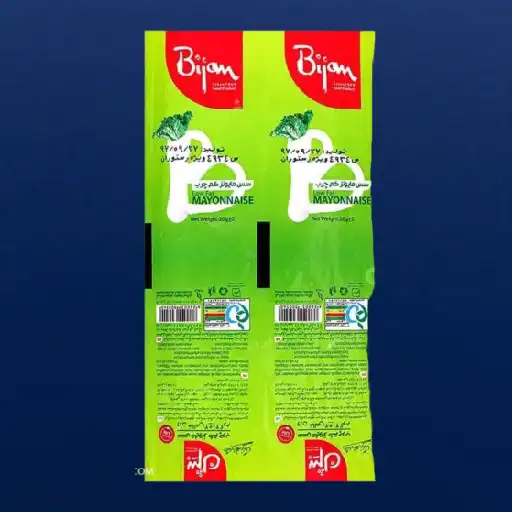
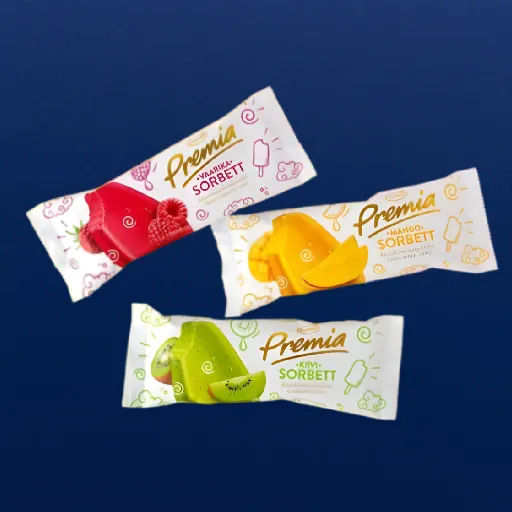
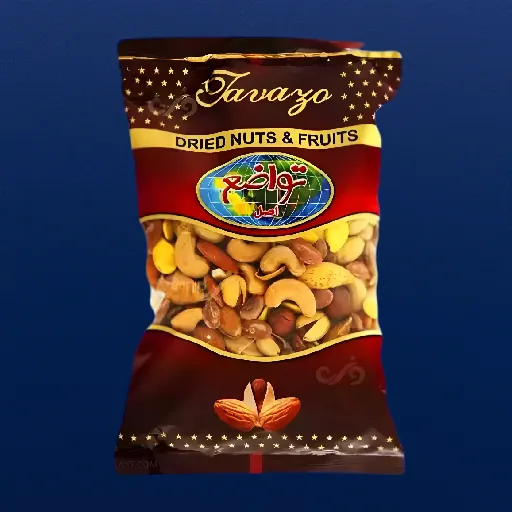
Cellophane is widely used across various industries due to its unique combination of clarity, flexibility, and eco-friendly properties. One of the most common uses of cellophane in packaging is for food wrapping. Its transparent nature and moisture-resistant surface make it ideal for packaging baked goods, chocolates, candies, and other perishable items, allowing customers to view the product while maintaining freshness and hygiene.
Beyond food packaging, cellophane film is popular in the gift-wrapping industry, where its glossy appearance enhances the presentation of gift baskets, flower arrangements, and promotional items. It is also used in crafts and DIY projects, where lightweight, transparent material is preferred for decorative purposes.
In industrial applications, cellophane wrap is employed to package pharmaceuticals, cosmetics, and personal care products, offering both protection and visual appeal. Its biodegradable and compostable nature makes it a preferred choice for brands that aim to reduce plastic waste and appeal to environmentally conscious consumers.
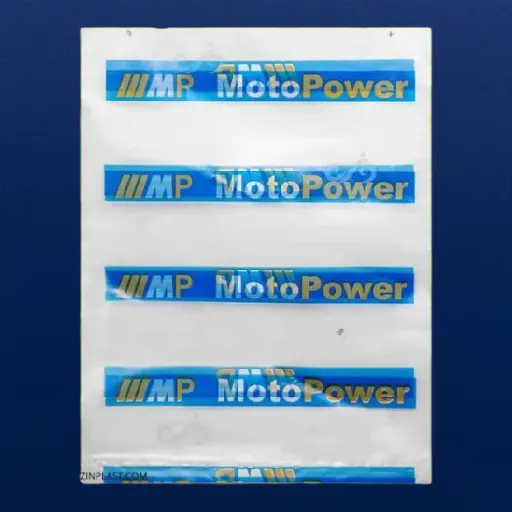
Additionally, colored and printed cellophane versions are used for festive packaging, product differentiation, and brand identity. Whether it’s for practical, promotional, or decorative use, cellophane packaging provides a sustainable and aesthetically pleasing solution across multiple sectors.
?Cellophane vs Plastic Wrap: What’s the Difference
When comparing cellophane vs plastic wrap, the most significant difference lies in their material composition and environmental impact. Cellophane is made from natural cellulose derived from wood pulp, making it biodegradable and compostable. In contrast, plastic wrap (often made from PVC or LDPE) is petroleum-based, non-biodegradable, and contributes to long-term plastic pollution.
Another key distinction is in performance characteristics. Cellophane wrap provides excellent clarity and breathability, allowing limited air exchange—making it suitable for packaging baked goods and organic products. It also has a crisp texture and is naturally anti-static, making it ideal for gift wrapping and presentation packaging.
On the other hand, plastic cling film is highly stretchable, moisture-proof, and provides an airtight seal. It is commonly used in kitchens and food service industries for preserving leftovers and covering containers. However, due to its elasticity, plastic wrap may not always offer the polished, professional appearance that cellophane packaging provides.
From an eco-friendly packaging standpoint, cellophane is the superior choice, especially for businesses and consumers looking to reduce their environmental footprint. Although plastic wrap is more commonly available and often cheaper, the sustainability and aesthetic value of cellophane make it a better option for high-end and eco-conscious applications.
?Is Cellophane Eco-Friendly and Biodegradable
Yes, cellophane is eco-friendly and biodegradable, which makes it a popular choice among environmentally conscious consumers and businesses. Unlike traditional plastic wraps made from petroleum-based materials such as PVC or polyethylene, cellophane is derived from natural cellulose, typically sourced from wood pulp or cotton. This natural origin allows cellophane film to break down naturally in the environment, making it biodegradable and compostable under the right conditions.
One of the key eco-friendly benefits of cellophane is that it decomposes within weeks to a few months in industrial composting systems or even in home compost setups, leaving no toxic residues behind. In contrast, conventional plastics can take hundreds of years to degrade and often release harmful microplastics into the ecosystem.
Additionally, cellophane packaging is often free from harmful chemicals like phthalates or BPA, making it a safer and greener alternative for food packaging, gift wrapping, and other commercial uses. For brands looking to improve their sustainability efforts, switching to biodegradable cellophane can significantly reduce their environmental impact and appeal to eco-conscious customers.
In conclusion, cellophane is both a sustainable and practical packaging solution, offering the clarity and functionality of plastic without the long-term environmental harm.
Where to Buy High-Quality Cellophane Rolls at Affordable Prices
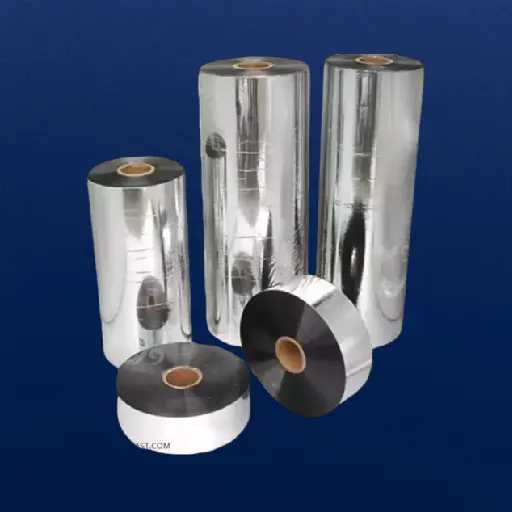
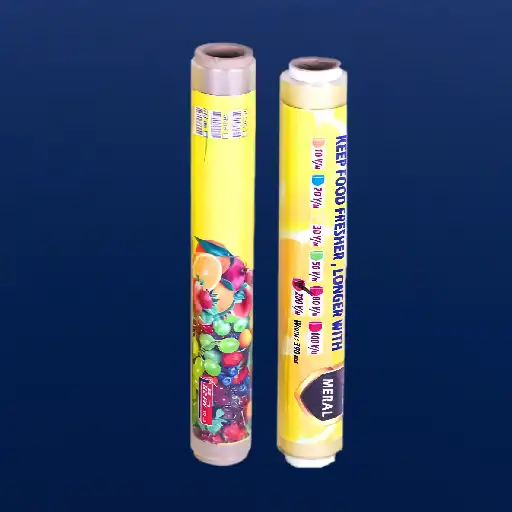
Finding high-quality cellophane rolls at affordable prices is essential for businesses in the food, gift, and retail industries that rely on clear, flexible, and attractive packaging. Whether you're looking for transparent cellophane rolls for wrapping baked goods, colored cellophane for gift baskets, or biodegradable cellophane film for eco-conscious packaging, choosing a reliable supplier is key to maintaining both presentation and cost-efficiency.
When shopping for bulk cellophane rolls, it’s important to consider the material's clarity, thickness (measured in microns), roll width, and eco-friendly properties. Many suppliers offer a variety of grades including food-safe, compostable, and anti-static options. Buying directly from trusted manufacturers or wholesale distributors allows you to get better pricing, customization options, and consistent quality—ideal for large-scale or continuous use.
Online platforms, local packaging suppliers, and specialty wholesalers all provide options, but to get the best balance of quality and price, you should prioritize suppliers with a proven track record in cellophane manufacturing and distribution.
&ou're looking for top-grade cellophane rolls that combine clarity, strength, and affordability, look no further than Vazin Plast. As a trusted supplier of plastic packaging materials in Iran, Vazin Plast offers a wide selection of cellophane rolls for both industrial and personal use—available in various sizes, thicknesses, and colors. Whether you need cellophane for food, gifts, or commercial packaging, we provide bulk pricing, custom orders, and fast delivery nationwide.
Contact Vazin Plast today for a free quote and discover how our eco-friendly cellophane solutions can elevate your packaging while keeping your costs low!